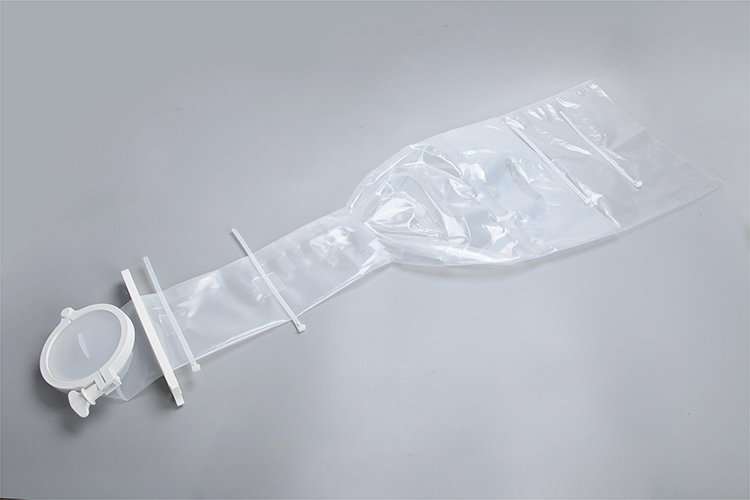
1. Overview of Biopharmaceutical Sterile Connectors
Biopharmaceutical sterile connectors are specialized connecting devices designed for the biopharmaceutical field, which can realize the rapid and sealed connection of two or more pre-sterilized bioprocess components under sterile or non-sterile environments without destroying the sterility of the fluid path or introducing external contaminants. Different from conventional industrial connectors, sterile connectors for biopharmaceuticals must meet the dual requirements of biocompatibility and process sterility, and can adapt to the harsh working conditions such as repeated sterilization, high-pressure fluid transfer, and corrosive reagent contact in bioprocesses. They are widely used in the production of monoclonal antibodies, vaccines, cell and gene therapies, blood products, and other biopharmaceutical products, playing an irreplaceable role in ensuring the integrity of the closed bioprocess and reducing the risk of microbial contamination.
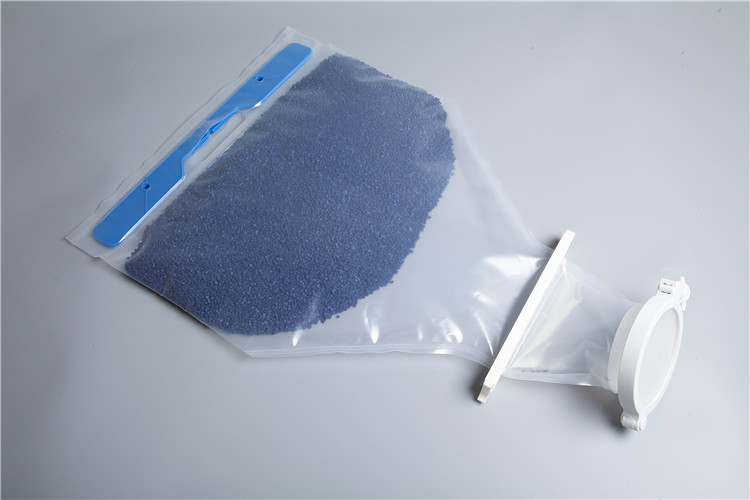
The core value of
sterile connectors lies in breaking the ""sterility barrier"" between different bioprocess units, avoiding the need for on-site sterilization of connection parts (such as welding, autoclaving) that may lead to process complexity and contamination risks, and realizing the flexibility and efficiency of bioprocesses. With the gradual replacement of traditional stainless steel multi-use systems by single-use systems in the biopharmaceutical industry, sterile connectors, as the ""link"" of single-use systems, have become one of the fastest-growing auxiliary components in the biopharmaceutical equipment market.
2. Core Technology Analysis of Biopharmaceutical Sterile Connectors
2.1 Core Technical Principles
The core technical principle of biopharmaceutical sterile connectors is to ensure that the fluid path remains completely isolated from the external environment during the connection process, and the sterile state of the pre-sterilized components is maintained before, during, and after connection. The realization of this principle relies on three key technical supports: sealed isolation technology, sterile activation technology, and structural design optimization, which together form the core technical system of sterile connectors.
First, sealed isolation technology is the foundation of sterility assurance. The connector adopts a double-layer sealed structure (usually composed of a mechanical seal and an elastic seal), and the contact surface with the fluid is made of biocompatible elastic materials (such as silicone rubber, Santoprene) with excellent sealing performance, which can effectively prevent the leakage of the fluid in the path and the intrusion of external air and microorganisms. For example, the Opta® SFT sterile connector adopts a sterilizing grade membrane seal design, which can ensure the tightness of the connection and maintain the sterility of the fluid path during the transfer process.
Second, sterile activation technology is the key to realizing safe connection. When the connector is not activated, the fluid path of each connected component is in a closed and sterile state; during activation, through a non-destructive mechanical operation (such as rotation, pressing, or locking), the isolation structure (such as a sterile membrane, valve core) inside the connector is opened or broken synchronously, so that the fluid paths of each component are connected smoothly, and the entire activation process does not expose the fluid path to the external environment, thus avoiding contamination. Typical technologies include membrane-breaking activation, valve core switching activation, and heat-seal activation, among which membrane-breaking activation and valve core switching activation are the most widely used in single-use systems. For instance, the Pure-Fit® SC sterile connector adopts a silicone valve design, which can be easily activated and leaves no gaps or residues, eliminating contamination risks associated with other systems.
Third, structural design optimization is the guarantee of process adaptability. The structural design of sterile connectors needs to consider two core points: one is to minimize the dead volume of the fluid path to avoid the retention of materials and the breeding of microorganisms; the other is to ensure the convenience of operation and compatibility with different bioprocess components (such as hoses of different specifications, flange interfaces). Advanced designs such as the patented Pure-Fit® SIB® (Smooth Inner Bore) technology can realize a seamless transition between the hose and the connector, maintaining complete fluid integrity and reducing the risk of residue accumulation.
2.2 Key Technical Indicators
The technical performance of biopharmaceutical sterile connectors is evaluated by a series of strict indicators, which directly determine their applicability and safety in bioprocesses. The key technical indicators recognized in the industry include the following aspects:
- Sterility Assurance Level (SAL): The core indicator of sterile connectors, requiring that the probability of microbial survival after sterilization is ≤10⁻⁶, which is consistent with the sterility requirements of biopharmaceutical products. All sterile connectors must pass strict sterility tests (such as membrane filtration method, direct inoculation method) to ensure that they do not carry viable microorganisms before use. Many mainstream products, such as the Opta® SFT sterile connector, undergo 100% in-house integrity testing to ensure the highest level of sterility security.
- Biocompatibility: All materials in contact with the fluid (such as connector body, seal, isolation membrane) must comply with the requirements of ISO 10993 series standards, without cytotoxicity, sensitization, pyrogenicity, and other adverse reactions, to avoid affecting the activity and quality of biopharmaceutical products. Common materials include medical-grade polycarbonate (PC), polysulfone (PSU), polyethersulfone (PES), silicone rubber, and 316L medical-grade stainless steel (for metal components), which have excellent chemical resistance and thermal stability and can adapt to multiple sterilization methods.
- Sealing Performance: Under the working pressure of the bioprocess (usually 0.1-0.5 MPa) and working temperature (-20℃ to 121℃), there is no leakage of the fluid path. The sealing performance is usually verified by pressure holding test (holding pressure for 30 minutes at 1.2 times the maximum working pressure, no pressure drop or leakage) and vacuum test. The ultra-safe hose barb design of the Opta® SFT-I sterile connector ensures the robustness and integrity of the connection between the barb and various types of hoses, which is a key guarantee for sterile fluid transfer in critical applications.
- Dead Volume: The smaller the dead volume, the better, generally requiring ≤0.1 mL (for small-diameter connectors) or ≤1 mL (for large-diameter connectors), to reduce the retention of materials and the difficulty of cleaning (for multi-use connectors). The smooth inner bore design of many sterile connectors effectively minimizes dead volume and improves material utilization.
- Sterilization Compatibility: It can adapt to the common sterilization methods in the biopharmaceutical industry, such as gamma ray irradiation (25-50 kGy), autoclaving (121℃, 30 minutes), ethylene oxide (EO) sterilization, and hydrogen peroxide plasma sterilization. The material and structural design of the connector must be able to withstand the damage of the sterilization process and maintain stable performance. For example, the Opta® SFT sterile connector can be sterilized by gamma irradiation or autoclaving, and the Pure-Fit® SC sterile connector is also compatible with these two common sterilization methods[4].
- Operational Reliability: The activation process is simple, fast, and reproducible, and there is no misoperation (such as incomplete activation, accidental activation) that may lead to contamination. The connection process does not require professional tools, and the operator can complete the connection in a short time (usually within 10 seconds). The triple-redundant locking mechanism of the Pure-Fit® SC sterile connector simplifies validation and reduces the possibility of operator error, while the laser-etched visual indicators can confirm proper engagement, further improving operational reliability.
2.3 Technical Classification and Characteristics
According to the structural form, activation mode, and use scenario, biopharmaceutical sterile connectors can be divided into three main categories, each with distinct technical characteristics and applicable scenarios:
2.3.1 Membrane-Breaking Type Sterile Connectors
This type of connector is the most widely used in single-use bioprocess systems, with a simple structure and low cost. The core structure is that both ends of the connector are equipped with sterile isolation membranes (usually made of polypropylene or polyester), which are pre-sterilized before leaving the factory. When connecting, the two isolation membranes are aligned and pressed, and the built-in blade or convex point breaks the two membranes synchronously, realizing the connection of the fluid path. The entire breaking process is completed inside the connector, and the fluid path is not exposed to the external environment, ensuring sterility.
Key characteristics: Simple operation, fast connection speed, disposable use, no need for on-site sterilization; the disadvantage is that the broken membrane debris may enter the fluid path (requires strict debris control), and it is not suitable for high-viscosity fluid transfer. It is widely used in the connection of upstream cell culture bags, medium bags, and filter assemblies. The Opta® SFT sterile connector is a typical representative of this type, with a male and female coupling design sealed with a sterilizing grade membrane, which can realize sterile fluid transfer in both classified and non-classified environments.
2.3.2 Valve-Core Switching Type Sterile Connectors
This type of connector adopts a built-in sterile valve core (such as a ball valve, diaphragm valve) as the isolation structure, which can realize repeated opening and closing of the fluid path, and is suitable for multi-use or repeated connection scenarios (such as the connection between a bioreactor and a sampling device). The valve core is made of biocompatible materials, and the sealing performance is excellent. When connecting, the valve cores of the two connectors are aligned and rotated to open synchronously, realizing the connection of the fluid path; when disconnected, the valve cores are closed synchronously, maintaining the sterility of the two ends of the fluid path respectively.
Key characteristics: Reusable (after sterilization), no debris generation, suitable for high-pressure and high-viscosity fluid transfer; the disadvantage is that the structure is complex, the cost is high, and regular maintenance and verification are required. It is widely used in downstream filling lines, buffer preparation systems, and sampling systems. CPC's AseptiQuik® series connectors adopt a valve architecture design, which can automatically close the fluid path aseptically when disconnected, protecting valuable media and eliminating the need for pinch clamps and tube welders.
2.3.3 Heat-Seal Type Sterile Connectors
This type of connector is mainly used for the connection of flexible hoses in single-use systems, and its core technology is to realize the sterile connection of two hoses through heat-seal welding. The connector is equipped with a built-in heating element, which melts the inner wall of the hose and fuses it into one, forming a seamless connection. The heat-seal process is controlled by temperature and time, ensuring the sealing performance and sterility of the connection.
Key characteristics: Seamless connection, no dead volume, no debris generation, suitable for the transfer of high-purity biopharmaceutical products (such as monoclonal antibodies, vaccines); the disadvantage is that the connection speed is slow, professional equipment is required, and the compatibility with hoses of different materials is limited. It is widely used in the connection of downstream filling hoses and the transfer of final products. This type of connector is often used in scenarios that require extremely high fluid path integrity, such as cell and gene therapy product production.
3. Industry Application Guide of Biopharmaceutical Sterile Connectors
Biopharmaceutical sterile connectors cover the entire bioprocess chain from upstream cell culture to downstream filling and packaging. The selection and application of connectors need to be combined with the characteristics of the process, product requirements, and regulatory requirements to ensure that the connectors can meet the actual working conditions and sterility assurance requirements. The following elaborates on the typical application scenarios, selection principles, and application key points of sterile connectors.
3.1 Typical Application Scenarios
3.1.1 Upstream Bioprocesses
Upstream bioprocesses mainly include cell culture, medium preparation, and seed amplification, which have high requirements for the sterility of the fluid path and the flexibility of the process. Sterile connectors in this link are mainly used for the connection of single-use components, avoiding cross-contamination between different batches.
- Cell culture: Connection between cell culture bags, gas exchange filters, sampling ports, and perfusion systems. It is recommended to use disposable membrane-breaking type sterile connectors (such as Opta® SFT, Pure-Fit® SC) with simple operation and good compatibility, which can realize the rapid replacement of culture bags and avoid microbial contamination during the connection process. In cell therapy production, micro-sized sterile connectors (such as CPC's MicroCNX®) are often used to meet the needs of small-volume sterile connection and improve operation efficiency.
- Medium preparation: Connection between medium storage tanks, transfer hoses, and filter assemblies. It is recommended to use valve-core switching type sterile connectors with good sealing performance and reusable characteristics, which can realize repeated connection and transfer of the medium and reduce the waste of materials. Perfusion and continuous processing systems, which are increasingly used in upstream processes, also rely heavily on sterile connectors to connect various components, realizing continuous medium supply and waste removal, and improving production efficiency.
3.1.2 Midstream Bioprocesses
Midstream bioprocesses mainly include clarification, purification, and concentration, which involve the transfer of high-viscosity fluids (such as cell suspension) and corrosive reagents (such as eluents), and have high requirements for the pressure resistance and chemical resistance of sterile connectors.
- Clarification and purification: Connection between centrifuges, filter cartridges, chromatography columns, and buffer tanks. It is recommended to use valve-core switching type sterile connectors with high pressure resistance (working pressure ≥0.3 MPa) and good chemical resistance, which can adapt to the transfer of high-pressure fluids and the corrosion of reagents. The AsepConnect™ sterile connector from Watson Marlow, with its patented aseptic seal and flush mount design, is suitable for connecting flush-mounted probes and instruments in purification processes, and has excellent pressure resistance and chemical stability.
- Concentration: Connection between ultrafiltration membranes, concentration tanks, and transfer pumps. It is recommended to use heat-seal type sterile connectors with no dead volume and seamless connection, which can avoid the retention of concentrated solution and ensure the purity of the product.
3.1.3 Downstream Bioprocesses
Downstream bioprocesses mainly include formulation, filling, and packaging, which are the final links of biopharmaceutical production, and have extremely strict requirements for sterility and product quality, requiring sterile connectors to have high reliability and traceability.
- Formulation: Connection between formulation tanks, transfer hoses, and filter assemblies. It is recommended to use disposable membrane-breaking type or heat-seal type sterile connectors with good biocompatibility and no debris generation, which can avoid the introduction of impurities into the formulation and ensure the stability of the product. All components of these connectors should be made of fully characterized, animal derivative-free, and BPA-free materials to meet the requirements of formulation production.
- Filling and packaging: Connection between filling machines, filling needles, and product storage bags. It is recommended to use valve-core switching type sterile connectors with high operational reliability and repeatability, which can realize the rapid connection and disconnection of the filling line, improve filling efficiency, and ensure the sterility of the filling process. In addition, sterile disconnectors can be used to maintain sterility on both sides of the system during disconnection, reducing the risk of product contamination and spillage.
3.1.4 Special Application Scenarios
In addition to the above conventional scenarios, sterile connectors are also widely used in special biopharmaceutical fields, such as cell and gene therapy, blood products, and vaccine production:
- Cell and gene therapy: Due to the uniqueness and personalization of the products, the process has high requirements for closed operation and sterility assurance. It is recommended to use disposable micro-sterile connectors with small dead volume and fast connection speed, which can realize the sterile connection of small-volume cell suspensions and avoid cross-contamination between different samples. Sterile connectors in this field can also reduce labor costs by 80% compared with traditional tube welding methods, improving operation efficiency.
- Blood products: The production process involves the transfer of blood and blood components, requiring sterile connectors to have excellent biocompatibility and no pyrogenicity, and to avoid the activation of blood cells. It is recommended to use valve-core switching type sterile connectors made of medical-grade silicone rubber and 316L stainless steel, which have good compatibility with blood components.
- Vaccine production: The process has high requirements for sterility and process traceability, requiring sterile connectors to have complete batch traceability and pass strict sterility verification. Laser-etched sterile connectors (such as Pure-Fit® SC) can provide complete lot traceability, meeting the regulatory requirements of vaccine production.
3.2 Key Principles of Selection
The selection of biopharmaceutical sterile connectors should follow the principles of ""sterility first, process adaptation, and regulatory compliance"", and comprehensively consider the following factors:
- Compliance with Regulatory Requirements: The selected sterile connectors must comply with the requirements of global regulatory authorities (such as FDA, EMA, NMPA) and relevant standards (ISO 10993, ISO 80369-7, ASME BPE). The manufacturer should provide complete technical documents, including biocompatibility test reports, sterility test reports, and traceability records, to ensure that the connectors can pass regulatory inspection. ISO 80369-7:2021, which specifies the requirements for small-bore connectors for intravascular or hypodermic applications, is an important reference standard for the selection of sterile connectors in biopharmaceutical applications[9].
- Adaptability to Process Conditions: According to the working pressure, temperature, fluid viscosity, and reagent type of the bioprocess, select connectors with corresponding performance indicators. For example, high-pressure fluid transfer selects high-pressure resistant connectors; high-viscosity fluid transfer selects connectors with large flow channels and small dead volume; corrosive reagent contact selects connectors with good chemical resistance. In addition, the size of the connector should match the specifications of the connected components (such as hoses of 1/4"", 3/8"", 1/2"" inner diameter) to ensure a tight connection[4].
- Sterility Assurance Level: Prioritize the selection of connectors with SAL ≤10⁻⁶, and ensure that the connectors have reliable sterile activation technology to avoid contamination during the connection process. For critical processes (such as final filling), it is recommended to select connectors with 100% integrity testing to further ensure sterility security.
- Biocompatibility: Ensure that all materials in contact with the fluid of the connector meet the requirements of ISO 10993 series standards, and do not have adverse effects on the activity and quality of biopharmaceutical products. For products with high purity requirements (such as monoclonal antibodies), it is recommended to select connectors with low extractables and leachables, and the manufacturer should provide extractables reports in accordance with Biophorum Operations Group (BPOG) protocols.
- Operational Flexibility and Cost-Efficiency: For single-use process systems, select disposable sterile connectors with simple operation and low cost; for multi-use process systems, select reusable valve-core switching type sterile connectors to reduce long-term use costs. At the same time, consider the convenience of the connection process and the training cost of operators. Connectors with simple operation (such as three-step operation, no need for professional tools) can reduce the risk of operator error and improve work efficiency.
3.3 Key Points of Application and Verification
The correct application and strict verification of sterile connectors are important links to ensure the sterility of bioprocesses and product quality. Biopharmaceutical enterprises should pay attention to the following key points in the application process:
3.3.1 Storage and Transportation
Sterile connectors should be stored in a clean, dry, and pollution-free environment, avoiding direct sunlight, high temperature, and humidity, and preventing damage to the isolation membrane or seal. During transportation, avoid collision and extrusion to ensure the integrity of the connector structure. The packaging of the connector should be intact, and the expiration date and sterilization batch number should be checked before use to avoid using expired or damaged connectors.
3.3.2 Operation Standardization
Operators should receive professional training, be familiar with the activation method and operation steps of the connector, and strictly follow the operating procedures (SOP) to operate. During the connection process, ensure that the connection surface is clean and free of contamination, and the activation operation is in place (such as complete membrane breaking, full valve core opening) to avoid incomplete connection leading to leakage or contamination. For example, when using membrane-breaking type connectors, ensure that the two isolation membranes are aligned and pressed tightly to avoid incomplete breaking; when using valve-core switching type connectors, confirm that the valve core is fully opened or closed through visual indicators.
3.3.3 Process Verification
Before the sterile connector is put into formal use, it is necessary to carry out strict process verification, including sterility verification, sealing performance verification, dead volume verification, and biocompatibility verification, to ensure that the connector meets the process requirements. During the production process, regular re-verification should be carried out (such as quarterly or annual re-verification) to ensure the stability of the connector performance. For single-use connectors, batch-by-batch sterility sampling inspection should be carried out to ensure the reliability of product quality.
3.3.4 Traceability Management
Establish a complete traceability system for sterile connectors, record the purchase batch number, sterilization batch number, use time, use batch, and operator of the connector, so as to realize full-process traceability. In case of product quality problems, it can quickly trace the cause and take corresponding measures. Laser-etched connectors can provide more accurate and convenient traceability information, which is conducive to the management of the production process.
4. Technical Development Trends and Industry Challenges
4.1 Technical Development Trends
With the continuous development of biopharmaceutical technology and the increasingly stringent regulatory requirements, the technical level of biopharmaceutical sterile connectors is constantly improving, showing the following development trends:
- Integration of Single-Use and Multi-Use Technologies: Combining the flexibility of single-use connectors and the economy of multi-use connectors, developing hybrid sterile connectors that can be used repeatedly after sterilization and have good compatibility with single-use systems, to meet the needs of different process scenarios. For example, CPC's sterile combination connectors integrate sterile connection and disconnection functions, realizing the integration of single-use and multi-use advantages.
- Intelligent Design: Adding intelligent monitoring functions (such as pressure sensors, temperature sensors) to sterile connectors to realize real-time monitoring of the pressure, temperature, and flow rate of the fluid path, and timely alarm for abnormal conditions (such as leakage, excessive pressure), improving the reliability and safety of the process. At the same time, combining with the Internet of Things (IoT) technology, realizing the intelligent management and traceability of connectors.
- Minimization and High-Efficiency: For the field of cell and gene therapy, developing micro-sized sterile connectors with smaller dead volume and faster connection speed to adapt to the needs of small-volume, high-purity product production. For example, CPC's MicroCNX® sterile connectors can realize fast connections in non-sterile environments, which is 4 times faster than traditional tube welding methods.
- Green and Environmental Protection: Using degradable or recyclable biocompatible materials to develop environmentally friendly sterile connectors, reducing the environmental pollution caused by disposable connectors. At the same time, optimizing the production process of connectors to reduce energy consumption and waste generation.
4.2 Industry Challenges
While the biopharmaceutical sterile connector industry is developing rapidly, it also faces some challenges:
- High Technical Threshold: The research and development of sterile connectors requires cross-disciplinary knowledge such as materials science, mechanical design, and biopharmaceutical technology, and the production process has high requirements for precision and sterility, which poses great challenges to the technical strength of manufacturers.
- Stringent Regulatory Requirements: Global regulatory authorities have increasingly strict requirements for biopharmaceutical auxiliary components, and the certification cycle of sterile connectors is long and the cost is high, which increases the market access threshold for manufacturers. For example, 7 out of 10 FDA rejections are caused by CMC (Chemistry, Manufacturing, and Controls) failures, and the improper selection or verification of sterile connectors is one of the important reasons.
- Cost Pressure: The raw materials (such as medical-grade polysulfone, silicone rubber) and production costs of sterile connectors are high, especially for disposable connectors, which increases the production cost of biopharmaceutical enterprises. How to balance product performance and cost is a key problem faced by manufacturers.
- Standardization Construction: Although there are relevant international standards for sterile connectors, there are still differences in technical requirements and verification methods between different regions and enterprises, which is not conducive to the global circulation of products and the optimization of the industry chain. The continuous revision and improvement of standards such as ISO 80369-7 will help promote the standardization of the industry.
5. Conclusion
Biopharmaceutical sterile connectors, as the ""link"" of closed bioprocess systems, play a crucial role in ensuring product quality, improving process efficiency, and complying with regulatory requirements. Their core technology is based on sealed isolation, sterile activation, and structural optimization, and key performance indicators such as sterility assurance level, biocompatibility, and sealing performance determine their applicability in different bioprocess scenarios. From upstream cell culture to downstream filling and packaging, sterile connectors have a wide range of applications, and their selection and application need to be combined with process characteristics and regulatory requirements to achieve the balance between process safety and cost efficiency.
With the rapid development of single-use technology, cell and gene therapy, and other biopharmaceutical technologies, the biopharmaceutical sterile connector industry will usher in broader development space. Manufacturers need to focus on technological innovation, improve product performance and quality, and reduce production costs; biopharmaceutical enterprises need to strengthen the management of connector selection, application, and verification, and establish a complete quality assurance system. Only through the joint efforts of the industry can we promote the continuous upgrading of sterile connector technology, support the high-quality development of the biopharmaceutical industry, and provide more safe and effective biopharmaceutical products for global patients.