1. Introduction
For patients with urinary retention, incontinence, post-urological surgery recovery, or spinal cord damage, indwelling catheters are essential for maintaining normal urinary function. During nighttime, frequent emptying of small daytime drainage bags (such as leg bags) would severely disrupt sleep and affect recovery. Catheter night bags address this need by offering larger capacity and convenient bedside placement, enabling uninterrupted drainage throughout the night. As a vital part of the closed urinary drainage system, they not only enhance patient comfort and quality of rest but also play a key role in infection prevention—critical given that approximately 75% of hospital-acquired UTIs are linked to indwelling catheters. With the global urinary drainage bag market growing steadily, night bags have become the largest, accounting for 51% of the market share.
2. Structure and Working Principle
2.1 Core Components
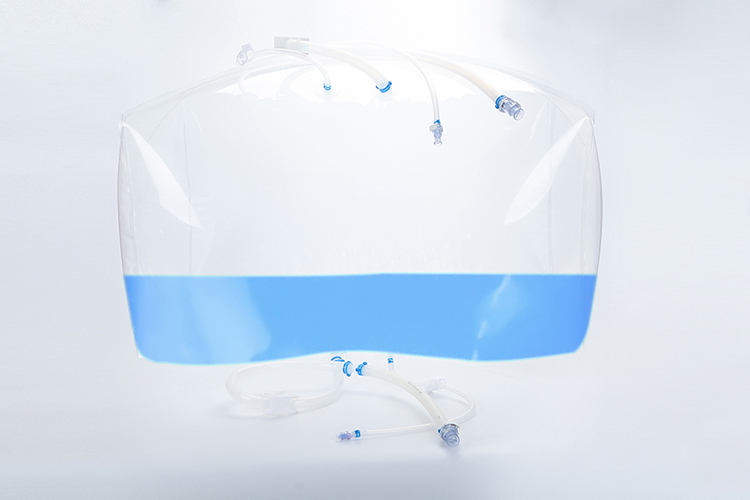
- Bag Body: Made of durable, transparent medical-grade materials (PVC, silicone, or TPE), allowing easy visual inspection of urine color, volume, and clarity. The bag is soft yet leak-proof, designed to avoid discomfort during bedside placement.
- Drainage Tubing: A flexible, kink-resistant tube (60–100cm in length) that connects the night bag to the catheter or daytime leg bag, ensuring unobstructed urine flow. The tube is often equipped with a fluted tip for secure connection.
- Anti-Reflux Valve: A critical safety feature that prevents urine backflow into the bladder, a common cause of CAUTIs. This one-way valve ensures urine flows only from the catheter into the bag, even when the patient is lying down.
- Drainage Tap/Spout: A leak-proof valve at the bottom of the bag for easy emptying after use. It is designed to be easy to operate, even for caregivers, while preventing accidental leakage during handling.
- Hanging Device: A built-in hook or strap that allows the bag to be securely hung on the bed frame, ensuring it remains below bladder level to facilitate gravity-driven drainage and avoid backflow.
2.2 Working Principle
Catheter night bags operate on the principle of gravity drainage. When connected to an indwelling catheter (or a daytime leg bag), urine flows through the flexible tubing into the night bag, driven by gravity. The anti-reflux valve prevents backflow, protecting the bladder from bacterial contamination. The large capacity of the bag eliminates the need for nighttime emptying, allowing patients to sleep undisturbed. The transparent bag body enables easy monitoring of urine output and quality, which is crucial for assessing patient health and detecting potential complications early. Proper placement—below bladder level—is essential to ensure efficient drainage and prevent reflux-related infections.
3. Classification and Key Features
3.1 Classification
- By Capacity: Standard models range from 1500ml to 2000ml, with some large-capacity options up to 2500ml, suitable for patients with high urine output or extended overnight use. Pediatric versions (200–600ml) are also available for children and infants.
- By Disposability: Disposable night bags (single-use) are the most common in clinical and home settings, ensuring hygiene and reducing infection risk; reusable models (washable and sterilizable) are also available for long-term use, with proper cleaning protocols required.
- By Connection Type: Universal connector models (compatible with most indwelling catheters and leg bags) and specialized connectors for specific catheter types, ensuring a secure, leak-proof fit.
3.2 Core Features
- Large Capacity: 1500–2000ml capacity eliminates nighttime emptying, reducing sleep disturbance and improving patient comfort. This is a key distinction from smaller daytime leg bags (500–1000ml capacity).
- Anti-Reflux Protection: The integrated one-way valve is a critical safety feature, minimizing the risk of CAUTIs by preventing urine backflow and bacterial ingress into the bladder.
- Hygienic and Leak-Proof: Medical-grade materials and secure connectors prevent leaks and contamination, while disposable models eliminate the risk of cross-infection from reuse. Transparent materials allow for easy monitoring of urine characteristics.
- User-Friendly Design: Lightweight, flexible, and easy to connect/disconnect, with a convenient hanging hook for bedside placement. The drainage tap is designed for easy operation, even for elderly or disabled patients and caregivers.
4. Proper Usage and Maintenance
4.1 Correct Usage Steps
- Wash hands thoroughly with soap and water before handling the night bag to prevent bacterial contamination. Caregivers should also wear disposable gloves.
- Prepare the night bag by removing the protective cap from the tubing connector, ensuring the drainage tap is closed to prevent leaks.
- Connect the night bag’s fluted tip to the bottom outlet of the daytime leg bag (or directly to the indwelling catheter), ensuring a secure, leak-proof fit. Open the leg bag’s clamp to allow urine to flow freely into the night bag.
- Hang the night bag on the bed frame (not the floor) at a level below the patient’s bladder to facilitate gravity drainage and prevent backflow. Avoid kinking the tubing to ensure unobstructed flow.
- In the morning, close the leg bag’s outlet clamp, disconnect the night bag, empty the urine into the toilet (ensuring the drain spout does not touch the toilet or floor), and dispose of or clean the night bag as appropriate.
4.2 Maintenance and Hygiene
- Disposable Bags: Discard after single use (or per institutional protocol) to maintain hygiene. Do not reuse disposable bags, as this increases infection risk.
- Reusable Bags: After emptying, wash the bag with warm soapy water, rinse thoroughly, and hang to dry in a clean, well-ventilated area. Store in a sealed clean plastic bag when dry, and replace every 7 days or if damaged, discolored, or smelly.
- Regularly inspect the tubing and connectors for kinks, cracks, or leaks. Replace any damaged components immediately to prevent infection and ensure effective drainage.
- Change the night bag at least once a week, or more frequently if it becomes contaminated, discolored, or leaks. When changing, clean the catheter connector with an alcohol swab to reduce bacterial transfer.
5. Clinical Applications and Significance
Catheter night bags are widely used in hospitals, long-term care facilities, and home healthcare settings, catering to patients with various conditions: indwelling catheter users (urethral or suprapubic), post-urological surgery patients, those with urinary retention or incontinence, and individuals with spinal cord damage or other neurological disorders affecting urinary function. Their clinical significance lies in three key areas: first, they improve patient quality of life by enabling uninterrupted sleep and reducing nighttime discomfort; second, they enhance infection control by maintaining a closed drainage system and preventing backflow, a critical factor in reducing CAUTIs; third, they facilitate clinical monitoring by allowing easy observation of urine output and quality, aiding in the early detection of complications such as infection or fluid imbalance. Globally, hospitals are the largest application sector, accounting for approximately 57% of the market share, followed by home care settings.
6. Common Issues and Troubleshooting
Common problems encountered with catheter night bags and their solutions:
- Urine Backflow: Caused by improper placement (bag above bladder level) or a faulty anti-reflux valve. Solution: Rehang the bag below bladder level, check the valve for blockages, and replace the bag if the valve is damaged.
- Leakage: Resulting from loose connectors, damaged tubing, or a faulty drainage tap. Solution: Tighten all connections, inspect for cracks, and replace damaged components or the entire bag if necessary.
- Slow or No Drainage: Caused by kinked tubing, blockages from sediment, or improper positioning. Solution: Straighten the tubing, gently flush the system (if authorized by a healthcare provider), and ensure the bag is below bladder level.
- Unpleasant Odor: Caused by bacterial growth or infrequent bag changes. Solution: Dispose of disposable bags, thoroughly clean reusable bags, and increase fluid intake (as advised by a healthcare provider) to dilute urine.
7. Development Trends
The global catheter night bag market is growing steadily, with a CAGR of 7.45% expected from 2026 to 2032, driven by the aging population, increasing prevalence of urological disorders, and growing demand for home healthcare solutions. Recent innovations focus on enhancing safety and patient comfort: improved anti-reflux valve designs to further reduce infection risk, ergonomic tubing to minimize kinking, and odor-control materials to improve user experience. Additionally, smart sensor integration is emerging, allowing clinicians to remotely monitor urine output and system integrity in real time, elevating patient-centered care. There is also a growing emphasis on eco-friendly materials and sustainable designs, aligning with global healthcare sustainability goals.
8. Conclusion
Catheter night bags are indispensable medical devices for patients relying on indwelling catheters, providing a safe, convenient, and hygienic solution for overnight urinary drainage. Their large capacity, anti-reflux protection, and user-friendly design not only improve patient comfort and sleep quality but also play a critical role in preventing CAUTIs and facilitating clinical monitoring. As the global urinary drainage bag market continues to grow, ongoing innovations in design and technology will further enhance the safety, efficiency, and usability of catheter night bags, supporting better outcomes for patients in clinical and home care settings.