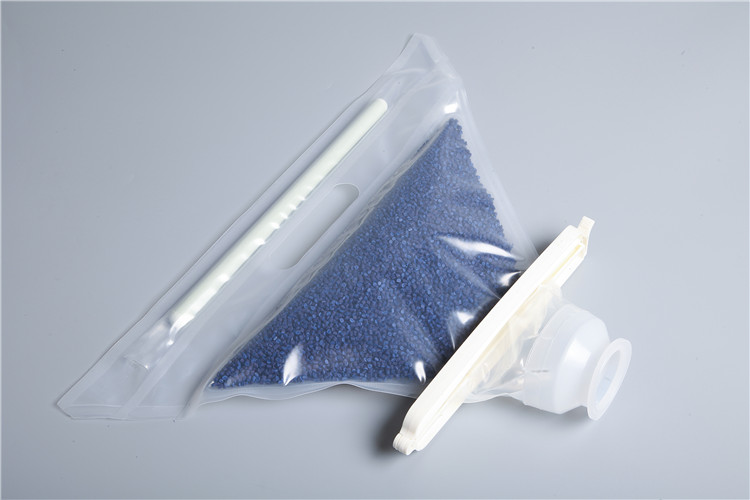
A Comprehensive Analysis of Applications and Advantages of Low-Melting-Point Feeding Bags and Disposable Feeding Bags
Release time:2026-08-28
Visits:524
1. Definitions and Material Characteristics
1.1 Low-Melting-Point Feeding Bags
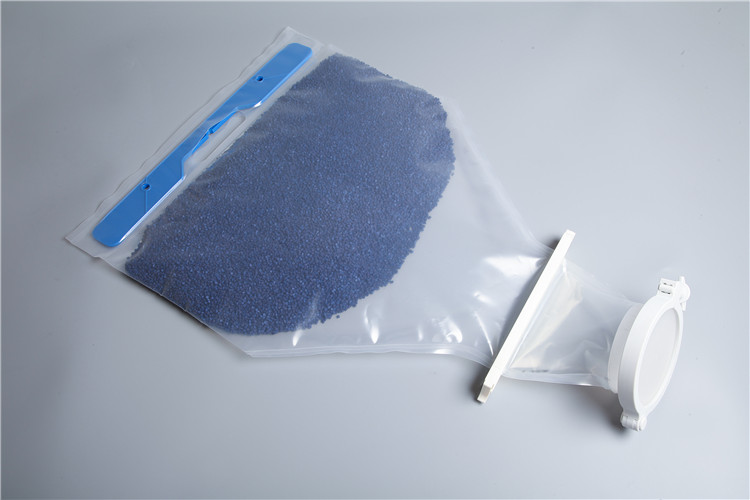
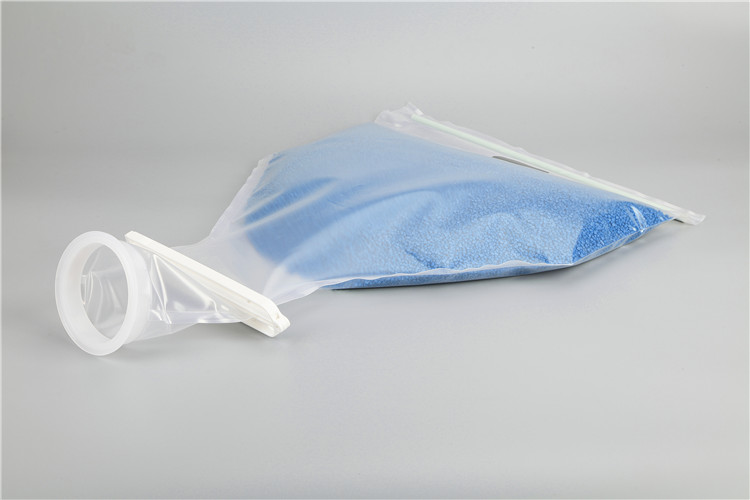
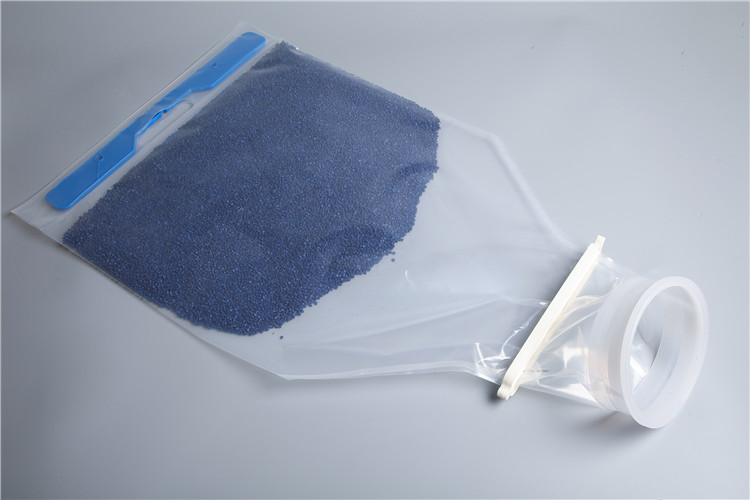
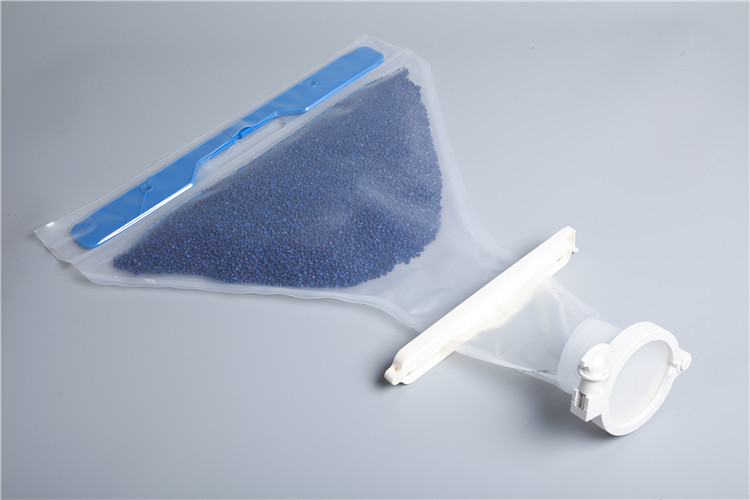
Low-melting-point feeding bags (also called batch inclusion bags) are mainly made of modified EVA (ethylene-vinyl acetate copolymer) or polyolefin blends, with a melting range typically between 70°C and 95°C. They are designed to fully melt and blend into the host material during thermal processing without residue, stratification, or negative impact on product performance.
1.2 Disposable Feeding Bags
Disposable feeding bags are single-use packaging and conveying containers made of PE, PP, or multi-layer composite films. They are used for dosing, transferring, and feeding raw materials, additives, or intermediates and are discarded or separated after use. They focus on hygiene, convenience, and isolation rather than melting compatibility.
2. Typical Industrial Applications
2.1 Applications of Low-Melting-Point Feeding Bags
- Rubber and tire industry: Packaging of additives, carbon black, accelerants, and oils for direct feeding into internal mixers and open mills.
- Plastic compounding: Masterbatch, stabilizers, and fillers added with the bag to ensure uniform mixing.
- Chemical and cable manufacturing: Auxiliary ingredients dosing to avoid dust and cross-contamination.
- Foundry and composite materials: Sand cores and resin systems to reduce release-agent residues.
2.2 Applications of Disposable Feeding Bags
- Pharmaceutical and food processing: Raw material and intermediate transfer under clean or sterile conditions.
- Chemical and hazardous material handling: Isolation of toxic, corrosive, or irritating powders and liquids.
- Electronics and precision manufacturing: Cleanroom-compatible material conveying to prevent particle contamination.
- General manufacturing: Small-batch, multi-variety additive feeding to simplify cleaning and reduce changeover time.
3. Core Advantages
3.1 Advantages of Low-Melting-Point Feeding Bags
1. Zero-residue thermal compatibility
Fully melts and disperses in the matrix under process temperature, ensuring no impurities or defects in finished products.
2. Dust-free and closed dosing
Eliminates powder flying, protects workers’ health, and improves workplace environmental quality.
3. Precise batching and process stability
Pre-weighed and sealed to reduce human error and improve batch-to-batch consistency.
4. Efficiency and labor reduction
No bag opening or cleaning required; directly compatible with automated feeding lines.
3.2 Advantages of Disposable Feeding Bags
1. Hygiene and cross-contamination control
Single-use design minimizes microbial, chemical, or material cross-contamination.
2. Flexibility and cost efficiency
Lightweight, easy to store and transport; reduces cleaning labor and water/energy consumption.
3. Workplace safety enhancement
Isolates operators from hazardous substances and reduces exposure risks.
4. Adaptability to multi-variety production
Rapid line change without residual cleaning, suitable for small-batch flexible manufacturing.
4. Comparative Summary and Selection Guidance
| Item | Low-Melting-Point Feeding Bags | Disposable Feeding Bags |
| ---- | ---- | ---- |
| Core feature | Melts into the process | Isolates and disposes |
| Key material | Modified EVA | PE/PP composite |
| Melting behavior | Complete melting | Non-melting or separable |
| Typical industry | Rubber, tires, plastics | Pharma, food, fine chemicals |
| Main value | Quality stability, dust-free | Hygiene, safety, flexibility |
Selection principles:
- Choose low-melting-point feeding bags for thermal processing requiring residue-free integration.
- Choose disposable feeding bags for clean, sterile, hazardous, or multi-variety flexible production.
5. Conclusion
Low-melting-point feeding bags and disposable feeding bags serve different but complementary roles in modern industrial systems. The former supports stable, clean, and efficient thermal processing, while the latter guarantees hygiene, safety, and flexibility in material handling. Reasonable selection and application can significantly improve product quality, production efficiency, and safety compliance, supporting the development of intelligent, green, and high-standard manufacturing.