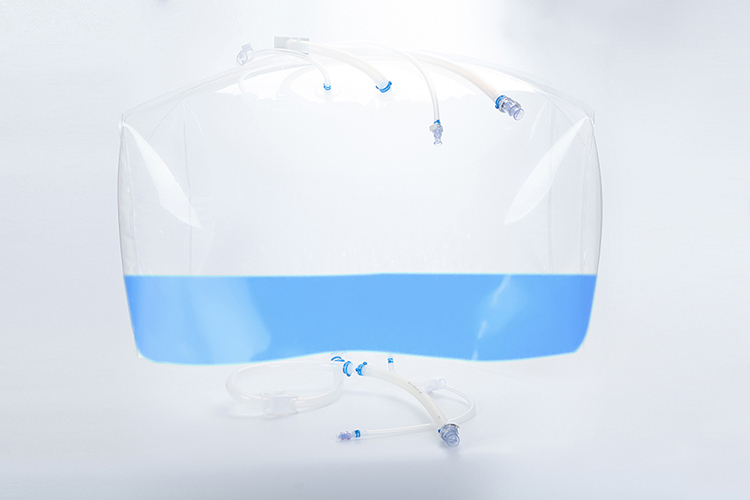
1. Overview of Biological Storage Bags
Biological storage bags are specialized flexible containers designed for the sterile storage, transfer, and temporary holding of biological materials in biopharmaceutical processes. They are engineered to maintain the structural and functional integrity of biological materials (such as cells, proteins, and vaccines) under controlled conditions (temperature, pressure, and sterility), while preventing contamination, material degradation, and component leaching.
Different from traditional rigid storage containers, biological storage bags must meet four core requirements for biopharmaceutical applications: excellent biocompatibility (no adverse reactions with biological materials, no cytotoxicity or pyrogenicity), reliable sterility assurance (pre-sterilized before use, no microbial contamination), superior material stability (no leaching, no degradation, compatible with common biopharmaceutical reagents), and process flexibility (adaptable to different volumes, temperatures, and transfer methods). In addition, they must comply with relevant international standards (ISO 10993, ISO 11607, GMP) and regulatory guidelines, with complete traceability and quality verification capabilities.
The application value of biological storage bags is reflected throughout the entire biopharmaceutical process chain: in the upstream, they are used for the storage of cell culture media, serum, and seed cell suspensions; in the midstream, they store fermentation broths, clarification filtrates, and chromatography eluents; in the downstream, they hold purified intermediates and final drug products (such as monoclonal antibodies, vaccines, and cell therapy products). With the popularization of single-use bioprocess systems, biological storage bags have become a key supporting consumable to improve process efficiency, reduce cross-contamination risks, and lower capital and operational costs, playing an irreplaceable role in modern biopharmaceutical manufacturing.
2. Core Technical Characteristics and Material Composition of Biological Storage Bags
The performance of biological storage bags is directly determined by their material composition and structural design. The core technical characteristics are closely related to the selection of composite film materials, sealing technology, and structural optimization, which together ensure the safety and reliability of biological material storage and transfer.
2.1 Core Material Composition
Biological storage bags are mainly composed of multi-layer composite films, which integrate the advantages of different materials to meet the comprehensive requirements of biopharmaceutical applications. The composite film typically consists of three functional layers (from inner to outer): contact layer, barrier layer, and protective layer, each undertaking a specific role:
- Inner Contact Layer: Directly in contact with biological materials, it is the most critical layer for biocompatibility. Common materials include medical-grade polyethylene (PE), polypropylene (PP), and ethylene-vinyl acetate copolymer (EVA). PE and PP have excellent chemical stability, non-toxicity, and low protein adsorption, making them suitable for the storage of most biological reagents and drug products. EVA has better flexibility and low-temperature resistance, which is suitable for the storage of frozen biological materials (such as cell suspensions stored at -80℃).
- Middle Barrier Layer: Responsible for isolating oxygen, moisture, and other external substances, preventing oxidation and moisture absorption of biological materials during long-term storage, and maintaining their activity and stability. Common materials include polyvinylidene chloride (PVDC), polyethylene terephthalate (PET), and aluminum foil. PVDC has excellent oxygen and moisture barrier properties, suitable for the storage of oxygen-sensitive materials (such as proteins and vaccines); aluminum foil has the best barrier effect, suitable for long-term storage of high-value biological materials (such as stem cells and gene therapy products).
- Outer Protective Layer: Provides mechanical strength, wear resistance, and puncture resistance for the storage bag, preventing damage during transportation, storage, and handling. Common materials include polyester (PET) and nylon (PA), which have good tensile strength and tear resistance, and can effectively protect the inner layers from external mechanical damage.
In addition, the composite film may include an adhesive layer to ensure the bonding strength between different layers, which must also be biocompatible and non-leaching. For special applications (such as the storage of corrosive reagents or high-purity drug products), modified materials (such as fluorinated polymers) are used to improve chemical resistance and reduce material adsorption.
2.2 Key Technical Characteristics
- Biocompatibility: All materials in contact with biological materials must comply with ISO 10993 series standards, passing tests such as cytotoxicity (ISO 10993-5), sensitization (ISO 10993-10), pyrogenicity (ISO 10993-11), and hemolysis (ISO 10993-4). For cell therapy and vaccine applications, materials must be free of animal-derived components (ADCF) and BPA, ensuring the safety of final drug products.
- Sterility Assurance: Biological storage bags are pre-sterilized before leaving the factory, with a sterility assurance level (SAL) of ≤10⁻⁶. Common sterilization methods include gamma ray irradiation (25-50 kGy) and ethylene oxide (EO) sterilization. Gamma ray irradiation is the most widely used due to its high sterilization efficiency, uniform sterilization, and no residue, which is suitable for most biological storage bags; EO sterilization is used for bags sensitive to gamma ray irradiation (such as those containing heat-labile components).
- Sealing Performance: The sealing strength and reliability are critical to preventing material leakage and contamination. Biological storage bags adopt heat-sealing technology, with the sealing temperature, pressure, and time precisely controlled to ensure uniform sealing strength (usually ≥15 N/15 mm). The seal is designed to be leak-proof, even under pressure fluctuations and low-temperature conditions. High-quality storage bags also adopt double-sealing or reinforced sealing design to further improve reliability.
- Material Stability and Compatibility: The composite film must be compatible with common biopharmaceutical reagents (such as buffers, acids, alkalis, organic solvents, and cryoprotectants), without material degradation, leaching of harmful substances, or adsorption of biological components. Compatibility tests are carried out by soaking the bag in the reagent at specified conditions (temperature, time), and detecting the changes of the reagent and the bag material.
- Mechanical Strength: The storage bag must have sufficient tensile strength, tear strength, and puncture resistance to withstand the stress during filling, sealing, transportation, and storage. The tensile strength is usually ≥20 MPa, and the tear strength ≥5 kN/m, preventing damage caused by external forces. The bag body is flexible, without brittleness or cracking under low-temperature conditions (down to -80℃ or -196℃ for frozen storage).
- Traceability: The surface of the storage bag is designed with a frosted marking area for recording sample information (batch number, storage time, material type). The manufacturer provides complete traceability documents, including material batch number, sterilization batch number, production date, and expiration date. Some high-end storage bags are equipped with RFID tags to realize intelligent traceability and management of biological materials.
3. Classification of Biological Storage Bags
According to the application scenario, storage temperature, and structural design, biological storage bags can be divided into several categories, each with distinct characteristics and applicable fields, enabling targeted selection for different biopharmaceutical processes.
3.1 Classification by Application Scenario
- Media and Buffer Storage Bags: Used for the storage of cell culture media, serum, buffers, and additives in upstream processes. They usually have large capacities (10 L-200 L), good chemical compatibility, and low protein adsorption. The inner layer is made of PE or PP to avoid affecting the composition of media and buffers. Typical products include the Thermo Scientific™ Nalgene™ media storage bags, which are widely used in cell culture processes.
- Intermediate Storage Bags: Used for the storage of fermentation broths, clarification filtrates, and chromatography eluents in midstream purification processes. They require excellent material stability, no leaching, and compatibility with high-viscosity materials. Some bags are equipped with sampling ports and transfer ports to facilitate sample collection and material transfer. The Sartorius Stedim Flexboy® intermediate storage bags are typical representatives, suitable for various purification intermediates.
- Final Product Storage Bags: Used for the storage of purified final drug products (such as monoclonal antibodies, vaccines, and cell therapy products) in downstream processes. They have the highest requirements for biocompatibility, sterility, and material stability, and must comply with strict regulatory requirements. The inner layer is made of high-purity materials with low adsorption and no leaching, ensuring the quality and safety of final products. The Merck Millipore Mobius® final product storage bags are widely used in biopharmaceutical final product storage.
- Cell Storage Bags: Used for the storage of seed cells, cell suspensions, and cell therapy products (such as CAR-T cells). They require excellent low-temperature resistance, can be stored at -80℃ or -196℃ (liquid nitrogen), and have good flexibility to avoid damage caused by volume expansion during freezing. The inner layer is made of EVA or modified PE to reduce cell damage. The Corning® Cell Cryopreservation Bags are suitable for long-term storage of various cells.
3.2 Classification by Storage Temperature
- Room Temperature
Storage Bags: Suitable for the storage of materials stable at room temperature (20-25℃), such as dry media, buffers, and some purified intermediates. They have good moisture and oxygen barrier properties to prevent material degradation. The composite film is usually composed of PE/PET/PVDC, ensuring long-term stability at room temperature.
- Refrigerated Storage Bags: Suitable for the storage of materials requiring refrigeration (2-8℃), such as cell culture media, serum, and some biological reagents. They have good low-temperature flexibility and sealing performance, no leakage or brittleness at refrigeration temperature. The inner layer is made of PE or PP with good low-temperature resistance.
- Frozen Storage Bags: Suitable for the storage of materials requiring ultra-low temperature freezing (-20℃ to -196℃), such as cell suspensions, cell therapy products, and some vaccines. They are made of low-temperature resistant composite films (such as EVA/PET/PA), which can maintain structural integrity after long-term freezing and repeated freezing-thawing cycles (at least 5 times).
3.3 Classification by Structural Design
- Single-Use Storage Bags: The most widely used type in biopharmaceutical processes, pre-sterilized, used once and discarded. They avoid cross-contamination between batches, reduce cleaning and sterilization workload, and are compatible with single-use bioprocess systems. The capacity ranges from 100 mL to 200 L, suitable for various application scenarios.
- Reusable Storage Bags: Made of high-durability materials (such as reinforced PE or silicone), can be reused after in-situ sterilization (SIP). They have low long-term use costs, suitable for large-batch continuous production. However, they require regular maintenance and verification to ensure sterility and performance, and there is a risk of cross-contamination if sterilization is not in place.
- Integrated Storage-Transfer Bags: Equipped with built-in transfer ports, sampling ports, and filters, integrating storage and transfer functions. They can directly transfer materials from the storage bag to the next process (such as from media storage bag to bioreactor), avoiding material transfer through multiple containers and reducing contamination risks. They are widely used in automated bioprocess systems.
4. Application of Biological Storage Bags in Biopharmaceutical Processes
Biological storage bags are widely used in upstream cell culture, midstream purification, and downstream filling processes of biopharmaceuticals, providing safe and flexible storage and transfer solutions for various biological materials. The following elaborates on their typical applications in each process link:
4.1 Application in Upstream Cell Culture Processes
The upstream cell culture process involves the preparation and storage of cell culture media, serum, seed cells, and additives, which requires storage bags with good biocompatibility, low adsorption, and reliable sterility.
- Media and Serum Storage: Cell culture media and serum are key materials for cell growth, requiring storage at 2-8℃ to maintain their activity. Biological storage bags with PE inner layer and PVDC barrier layer are used, which have low protein adsorption and good moisture-oxygen barrier properties, preventing media degradation and contamination. For example, large-capacity (50 L-200 L) media storage bags are used to store prepared cell culture media, which can be directly connected to bioreactors for transfer, improving process efficiency.
- Seed Cell Storage: Seed cells (such as CHO cells, HEK293 cells) need to be stored at ultra-low temperature (-80℃ or -196℃) for long-term preservation. Frozen storage bags made of EVA composite film are used, which have good low-temperature flexibility and no brittleness, avoiding cell damage caused by volume expansion during freezing. The bags are equipped with sealing ports and marking areas, facilitating traceability and retrieval of seed cells.
- Additive Storage: Additives (such as growth factors, antibiotics, and buffers) are stored in small-capacity (100 mL-10 L) biological storage bags, which are pre-sterilized and easy to use. The bags have good chemical compatibility, no leaching, and avoid affecting the activity of additives.
4.2 Application in Midstream Purification Processes
The midstream purification process involves the storage of fermentation broths, clarification filtrates, chromatography eluents, and other intermediates, which requires storage bags with excellent material stability, compatibility with high-viscosity materials, and easy transfer.
- Fermentation Broth Storage: After fermentation, the fermentation broth is stored in intermediate storage bags before clarification. The bags have large capacity (100 L-200 L), good mechanical strength, and compatibility with high-viscosity fermentation broths. Some bags are equipped with stirring ports to facilitate uniform mixing of the broth, ensuring the representativeness of subsequent clarification processes.
- Purification Intermediate Storage: Clarified filtrates, chromatography eluents, and other purification intermediates are stored in storage bags with low adsorption and good chemical compatibility. The inner layer is made of high-purity PE or PP to avoid adsorption of target proteins, ensuring the recovery rate and purity of the product. For example, monoclonal antibody chromatography eluents are stored in low-adsorption storage bags, which can maintain the stability of the antibody for a long time.
- Buffer Storage for Purification: Buffers used in purification processes (such as equilibration buffers, elution buffers) are stored in biological storage bags with good chemical compatibility, no leaching, and reliable sealing. The bags can be directly connected to purification equipment (such as chromatographs) for transfer, reducing manual operation and contamination risks.
4.3 Application in Downstream Filling Processes
The downstream filling process involves the storage of purified final products and packaging materials, which has the highest requirements for biocompatibility, sterility, and material stability, ensuring the quality and safety of final drug products.
- Final Product Storage: Purified final products (such as monoclonal antibody solutions, vaccine bulk) are stored in final product storage bags with high biocompatibility and low adsorption. The inner layer is made of high-purity materials with no leaching, ensuring the quality and activity of the product. The bags are pre-sterilized, with double-sealing design to prevent leakage and contamination. For example, vaccine bulk is stored in aluminum foil barrier storage bags to avoid oxidation and moisture absorption, maintaining vaccine activity.
- Filling Buffer Storage: Buffers used in filling processes (such as dilution buffers, washing buffers) are stored in sterile storage bags with good chemical compatibility, no leaching, and easy transfer. The bags can be directly connected to filling equipment, ensuring the sterility of the filling process.
- Cell Therapy Product Storage: Cell therapy products (such as CAR-T cells, stem cells) are stored in specialized frozen storage bags, which can be stored at -196℃ (liquid nitrogen) for long-term preservation. The bags have excellent low-temperature resistance, good biocompatibility, and no cytotoxicity, ensuring the viability of cells. The bags are equipped with RFID tags for intelligent traceability, complying with regulatory requirements for cell therapy products.
5. Key Performance Indicators and Quality Control Requirements
5.1 Key Performance Indicators
The performance of biological storage bags directly affects the safety and quality of biological materials and drug products. The key performance indicators recognized in the industry include:
- Biocompatibility: As mentioned earlier, complying with ISO 10993 series standards, no cytotoxicity, sensitization, pyrogenicity, hemolysis, or irritation. For cell therapy and vaccine applications, ADCF-free and BPA-free.
- Sterility Assurance Level (SAL): Pre-sterilized, SAL ≤10⁻⁶, verified by sterility tests (membrane filtration method, direct inoculation method). Disposable bags must pass batch-by-batch sterility inspection.
- Sealing Strength: ≥15 N/15 mm, verified by tensile test. No leakage under pressure holding test (0.1-0.3 MPa, 30 minutes) and low-temperature storage test.
- Material Leaching: No harmful substances leached, verified by leaching test. The leaching solution meets the requirements of pharmacopoeia (USP, EP, ChP) for non-volatile residues, heavy metals, and endotoxins.
- Adsorption Performance: Low adsorption of biological components (proteins, cells, vaccines), usually requiring protein adsorption rate ≤5%, verified by protein adsorption test.
- Low-Temperature Resistance: For frozen storage bags, no brittleness, cracking, or leakage after storage at -80℃ or -196℃ for 72 hours, and after 5 freezing-thawing cycles.
- Mechanical Strength: Tensile strength ≥20 MPa, tear strength ≥5 kN/m, puncture resistance ≥10 N, verified by mechanical property tests.
- Chemical Compatibility: Compatible with common biopharmaceutical reagents (buffers, acids, alkalis, organic solvents, cryoprotectants), no material degradation or discoloration.
5.2 Quality Control Requirements
To ensure the performance and reliability of biological storage bags, strict quality control must be carried out throughout the production, sterilization, and packaging processes, complying with GMP and relevant regulatory requirements:
- Raw Material Quality Control: The raw materials (composite film, adhesive, sealant) must be purchased from qualified suppliers, with material certification and biocompatibility test reports. Each batch of raw materials is inspected for purity, chemical composition, and biocompatibility before use.
- Production Process Quality Control: The production process (film compounding, bag making, sealing) is strictly controlled, with key parameters (temperature, pressure, time) monitored and recorded. Each batch of bags is inspected for appearance (no scratches, bubbles, uneven thickness), size, and sealing performance.
- Sterilization Process Quality Control: The sterilization process (gamma ray irradiation, EO sterilization) is verified and validated, ensuring that the sterilization dose is sufficient and uniform. Each batch of sterilized bags is inspected for sterility, and the sterilization process parameters are recorded for traceability.
- Packaging and Storage Quality Control: The sterilized bags are packaged in sterile, moisture-proof, and dust-proof packaging materials, avoiding secondary contamination. The packaging is labeled with complete information (batch number, sterilization batch number, production date, expiration date, storage conditions). The bags are stored in a clean, dry, and cool environment, avoiding direct sunlight and high temperature.
- Batch Traceability: Establish a complete batch traceability system, recording the raw material batch number, production batch number, sterilization batch number, inspection results, and sales information. Each batch of bags can be traced back to the raw material and production process, facilitating regulatory inspection and quality recall if necessary.
6. Technical Development Trends and Industry Challenges
6.1 Technical Development Trends
With the continuous upgrading of single-use bioprocess technology and the increasingly stringent regulatory requirements, biological storage bags are developing towards high performance, intelligence, integration, and greenization, showing the following clear trends:
- High-Performance Material Development: Developing new composite materials with better biocompatibility, lower adsorption, and higher stability. For example, modified PE/PET composite films with ultra-low protein adsorption, suitable for high-purity drug product storage; nanocomposite films with improved barrier properties, extending the shelf life of biological materials. In addition, developing biodegradable materials to reduce environmental pollution.
- Intelligent Traceability and Monitoring: Integrating RFID tags, temperature sensors, and pressure sensors into biological storage bags, realizing real-time monitoring of storage temperature, pressure, and bag status. The data is transmitted to the production management system through IoT technology, realizing intelligent traceability and management of biological materials. This can effectively avoid material degradation caused by temperature fluctuations and improve process reliability.
- Integration of Functions: Developing integrated storage-transfer-filter bags, integrating storage, transfer, and filtration functions into one. For example, storage bags with built-in 0.22 μm filters can directly filter and transfer materials, reducing the number of equipment and contamination risks. In addition, integrating sampling ports and sampling valves to facilitate sample collection without opening the bag.
- Customized Design: According to the specific needs of different biopharmaceutical processes and materials, developing customized biological storage bags. For example, small-capacity micro-storage bags for cell therapy products, large-capacity storage bags for industrial-scale fermentation broth storage, and special-shaped bags compatible with automated equipment. Customized design can improve process adaptability and efficiency.
- Compatibility with Automated Processes: Optimizing the structural design of storage bags, improving compatibility with automated filling, transfer, and storage systems. For example, designing standard interfaces compatible with single-use bioreactors and purification equipment, realizing automatic material transfer and reducing manual operation. This is conducive to the popularization of intelligent biopharmaceutical production lines.
6.2 Industry Challenges
While the biological storage bag industry is developing rapidly, it also faces some technical, regulatory, and market challenges, which restrict the high-quality development of the industry:
- High Technical Threshold: The research and development of high-performance composite films requires cross-disciplinary knowledge such as materials science, biocompatibility, and chemical engineering. The production process has high requirements for precision and sterility, and the development of new materials and structural designs requires large investment in research and development. Small and medium-sized enterprises are difficult to bear the R&D costs, leading to uneven product quality.
- Stringent Regulatory Requirements: Global regulatory authorities (FDA, EMA, NMPA) have increasingly strict requirements for biological storage bags, especially for cell therapy and vaccine applications. The certification cycle is long, the cost is high, and the requirements for biocompatibility, sterility, and traceability are constantly improving. Enterprises need to invest a lot of resources in product verification and regulatory compliance, increasing the market access threshold.
- Cost Pressure: High-performance composite materials (such as ADCF-free materials, nanocomposite films) and intelligent components (RFID tags, sensors) have high costs, leading to high prices of biological storage bags. For biopharmaceutical enterprises, especially small and medium-sized ones, the cost pressure is relatively large, which restricts the popularization and application of high-end products.
- Standardization Construction: Although there are relevant international standards (ISO 10993, ISO 11607), there are still differences in technical requirements, test methods, and quality control standards between different regions and enterprises. This is not conducive to the global circulation of products and the mutual recognition of test results, increasing the compliance cost of enterprises.
- Technical Bottlenecks in Special Applications: For special applications (such as ultra-long-term storage of cell therapy products, storage of high-corrosive reagents, and storage of high-viscosity biological materials), the existing biological storage bags still have technical bottlenecks. For example, ultra-long-term storage of CAR-T cells requires bags with better low-temperature stability and biocompatibility, which is difficult to achieve with current materials.
7. Conclusion
As a key disposable consumable in biopharmaceutical processes, biological storage bags play an irreplaceable role in ensuring the safety, stability, and quality of biological materials and drug products. Their core advantages of excellent biocompatibility, reliable sterility, flexible capacity, and compatibility with single-use bioprocess systems make them an indispensable component in modern biopharmaceutical manufacturing, widely used in upstream cell culture, midstream purification, and downstream filling processes.
The performance of biological storage bags is determined by their material composition, structural design, and quality control level. With the continuous development of materials science and single-use technology, biological storage bags are evolving towards high performance, intelligence, integration, and greenization, providing more efficient, safe, and reliable storage solutions for biopharmaceutical enterprises. However, the industry still faces challenges such as high technical thresholds, stringent regulatory requirements, and cost pressure, which require joint efforts of manufacturers, research institutions, and regulatory authorities to solve.
In the future, with the continuous investment in research and development, the improvement of standardization systems, and the optimization of quality control levels, the technical level of biological storage bags will continue to improve, breaking through existing technical bottlenecks. They will further promote the development of single-use bioprocess systems, help biopharmaceutical enterprises improve process efficiency, reduce costs, and comply with regulatory requirements, supporting the high-quality development of the global biopharmaceutical industry and contributing to the research and production of safe and effective drug products.