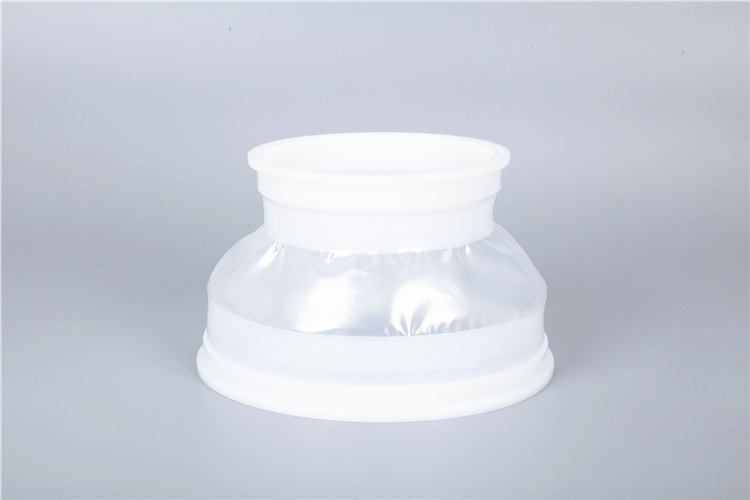
Sterile connectors are critical medical and bioprocessing components designed to establish a contamination-free connection between fluid-carrying systems, such as catheters, infusion lines, bioreactors, and sample containers. They play an indispensable role in clinical care, biopharmaceutical production, laboratory research, and cell therapy, where maintaining sterility is vital to prevent infections, preserve sample integrity, and ensure product quality. Unlike conventional connectors, sterile connectors integrate specialized designs to eliminate microbial ingress during connection and disconnection, even in non-sterile environments. This article elaborates on the core designs, key types, selection criteria, standard operating procedures, and industry innovations of sterile connectors, providing practical guidance for professionals across related fields.
I. Core Designs and Functional Features of Sterile Connectors
Sterile connectors are engineered to prioritize sterility maintenance, operational safety, and compatibility. Their core designs and features are tailored to address the unique challenges of fluid system connection in sterile-sensitive scenarios:
1. Sterile Barrier and Contamination Prevention
The primary function of sterile connectors is to maintain a sterile barrier between connected systems. High-quality models adopt a dual-seal structure or self-sealing valves that remain closed until a secure connection is established, preventing air, moisture, and microorganisms from entering the fluid path. Most sterile connectors undergo ethylene oxide (EO) sterilization, gamma-ray sterilization, or autoclaving, with clear marking of sterilization method, date, and validity period on the packaging. Disposable sterile connectors feature pre-sterilized, single-use designs to eliminate cross-contamination risks, while reusable models are crafted from autoclavable materials (e.g., stainless steel, medical-grade silicone) with durable sterile barriers.
2. Compatibility and Interface Standardization
To adapt to diverse fluid systems, sterile connectors follow international interface standards, with Luer lock, Luer slip, and hose barb being the most common types. Luer lock connectors ensure a secure, twist-lock connection for small-bore tubing (e.g., infusion lines, syringes), widely used in clinical settings. Luer slip connectors rely on friction for connection, suitable for low-pressure applications such as sample transfer. Hose barb connectors are designed for larger-bore hoses in bioprocessing, providing a tight seal for high-flow fluid transfer. Additionally, specialized connectors (e.g., genderless connectors, sterile quick-disconnects) are available for complex systems, ensuring compatibility across different equipment brands.
3. Pressure and Flow Adaptability
Sterile connectors are engineered to withstand specific pressure ranges, from low-pressure clinical infusions (0-30 psi) to high-pressure bioprocessing (up to 100 psi). They maintain structural integrity and sterility under intended operating pressures, preventing leakage or barrier failure. For high-flow applications (e.g., bioreactor feeding, large-volume fluid transfer), connectors with optimized internal pathways minimize flow resistance, avoiding fluid turbulence and sample damage. Low-flow models (e.g., for microfluidics, cell therapy) feature precision-machined interfaces to ensure consistent flow rates and prevent dead volume.
4. User-Friendly and Error-Resistant Operation
To reduce human error in sterile environments, many connectors incorporate ergonomic and error-resistant designs. Color-coded interfaces prevent misconnection between different fluid systems (e.g., arterial vs. venous lines in clinical care). One-handed operation designs facilitate use in sterile gloves or laminar flow hoods, minimizing contamination risks from multi-step handling. Some models include audible or tactile feedback (e.g., a ""click"" sound) to confirm a secure connection, ensuring operators can verify sterility and seal integrity without visual inspection alone.
5. Material Safety and Chemical Compatibility
Sterile connector materials must be non-toxic, biocompatible, and resistant to fluids and chemicals in their intended applications. Common materials include medical-grade polypropylene (PP), polyethylene (PE), polycarbonate (PC), stainless steel, and silicone. PP and PE are cost-effective and suitable for disposable connectors, with excellent chemical resistance to most pharmaceuticals and buffers. Stainless steel connectors are preferred for reusable, high-pressure bioprocessing applications, offering durability and resistance to repeated sterilization. Silicone gaskets and seals enhance leak-proof performance while maintaining biocompatibility, avoiding adverse reactions with sensitive fluids (e.g., cell cultures, biologics).
II. Key Types of Sterile Connectors by Application
Sterile connectors are categorized based on their application scenarios, with specialized designs tailored to clinical, laboratory, and biopharmaceutical needs:
1. Clinical Sterile Connectors
Widely used in hospitals, clinics, and home care, these connectors prioritize patient safety and ease of use. Key types include IV infusion connectors, catheter connectors, and enteral feeding connectors. IV infusion connectors (e.g., needle-free connectors) eliminate the need for needle puncture, reducing needlestick injuries and contamination risks. Catheter connectors (e.g., Foley catheter connectors) feature anti-reflux valves to prevent urine or fluid backflow, minimizing urinary tract infections. Enteral feeding connectors are designed to be incompatible with IV connectors, preventing accidental misconnection of enteral formulas to IV lines—a critical patient safety measure.
2. Laboratory and Research Connectors
Used in academic and industrial laboratories for sample transfer, cell culture, and analytical testing, these connectors emphasize precision and sterility maintenance. Microfluidic connectors enable leak-proof connection of microtubing for low-volume sample analysis, while sterile sample connectors facilitate contamination-free transfer between vials, tubes, and analytical equipment. Reusable stainless steel connectors are common in cell culture and molecular biology, as they can withstand repeated autoclaving without performance degradation.
3. Biopharmaceutical and Industrial Connectors
Designed for large-scale bioprocessing (e.g., bioreactor operation, drug formulation, fill-finish processes), these connectors meet strict regulatory requirements for cGMP (current Good Manufacturing Practices). Sterile quick-disconnect (SQD) connectors allow rapid, contamination-free connection and disconnection of process lines, improving efficiency in batch production. Single-use sterile connectors are increasingly adopted in biopharmaceutical manufacturing to eliminate cross-contamination between batches and reduce cleaning validation costs. High-purity connectors for biologic drugs feature ultra-smooth internal surfaces to prevent protein adsorption and sample degradation.
III. Selection Criteria for Sterile Connectors
Selecting the appropriate sterile connector requires balancing application requirements, regulatory compliance, safety, and efficiency. The following factors should be prioritized:
1. Regulatory Compliance and Certification
Qualified sterile connectors must meet international standards, including ISO 80369 (for medical device connectors), ISO 13485 (quality management system), and FDA 21 CFR Part 820 (for U.S. market). Clinical connectors should obtain Class II or Class III medical device certification, with clear marking of registration numbers and compliance statements. Biopharmaceutical connectors must comply with cGMP requirements and be validated for sterility, biocompatibility, and chemical compatibility.
2. Application-Specific Requirements
Match the connector type to the application scenario: low-pressure clinical applications (e.g., IV infusion) suit Luer lock or needle-free connectors; high-pressure bioprocessing requires stainless steel or reinforced plastic connectors; microfluidic research needs precision-machined, low-dead-volume connectors. Consider fluid type (e.g., biologics, chemicals, blood) to ensure material compatibility, avoiding fluid-material reactions or sample contamination.
3. Sterility and Reusability
Choose disposable or reusable connectors based on sterility needs and cost considerations. Disposable connectors are ideal for single-patient use (clinical care) or batch-specific bioprocessing, eliminating cleaning and sterilization burdens. Reusable connectors are cost-effective for long-term laboratory use, provided they can withstand repeated sterilization (autoclaving, EO) without compromising performance. Ensure reusable connectors have clear cleaning and sterilization guidelines from the manufacturer.
4. Compatibility with Existing Systems
Verify that the connector interface matches existing equipment (e.g., catheters, tubing, bioreactors) to avoid misconnection or leakage. For clinical settings, prioritize connectors compliant with ISO 80369 to prevent cross-application misconnections (e.g., enteral vs. IV). In bioprocessing, confirm compatibility with single-use systems or reusable process lines, ensuring a seamless integration into existing workflows.
5. Safety and Ergonomics
Select connectors with error-resistant features (color coding, keyed interfaces) to reduce human error, especially in high-pressure or critical care scenarios. Ergonomic designs (one-handed operation, lightweight construction) improve usability in sterile environments, minimizing operator fatigue and contamination risks. For clinical use, needle-free connectors are preferred to reduce needlestick injuries and associated infections.
IV. Standard Usage and Maintenance Procedures
Proper use and maintenance of sterile connectors are critical for preserving sterility, preventing leakage, and ensuring operational safety. Follow these standardized procedures:
1. Pre-Use Preparation
- Inspect packaging: Do not use connectors with damaged, damp, or expired packaging, as sterility cannot be guaranteed. Check for visible defects (cracks, deformities) in the connector body or seals.
- Maintain sterile environment: Operate in a laminar flow hood (laboratory/bioprocessing) or sterile field (clinical care). Wash hands thoroughly and wear sterile gloves, masks, and gowns as required.
- Prepare mating components: Ensure the interface of the connected device (tubing, catheter, bioreactor) is clean and sterile. For reusable components, verify they have been properly cleaned and sterilized.
2. Connection Operation
- Remove protective caps: Peel off the sterile protective caps from both the connector and mating interface, avoiding contact between the sterile surfaces and non-sterile objects.
- Establish connection: Align the connector with the mating interface and follow the manufacturer’s instructions (e.g., twist for Luer lock, press for quick-disconnect) until a secure seal is achieved. Confirm feedback (audible click, tactile resistance) if available.
- Test seal integrity: For high-pressure applications, perform a pressure test (per protocol) to check for leakage. For clinical use, gently squeeze the connected tubing to verify no fluid leakage at the connection point.
3. In-Use Monitoring
- Regularly inspect the connection: Monitor for leakage, dislodgement, or contamination during use. In clinical care, check IV connectors every 4-8 hours; in bioprocessing, monitor continuously during high-pressure operations.
- Avoid excessive manipulation: Minimize disconnection and reconnection unless necessary, as each operation increases contamination risks. For reusable connectors, do not exceed the recommended number of sterilization cycles.
4. Post-Use Handling and Maintenance
- Dispose of disposable connectors: After use, seal the connector in a medical waste bag and discard according to local regulations. Do not reuse disposable connectors, even if visually clean.
- Clean and sterilize reusable connectors: Disassemble (if applicable) and rinse with warm water to remove residual fluid. Soak in a manufacturer-recommended disinfectant, then sterilize via autoclaving, EO, or gamma-ray. Air-dry in a clean environment and store in a sealed container to maintain sterility.
- Replace worn components: Replace connectors or seals if signs of wear (cracks, brittleness, reduced seal performance) are detected. Follow the manufacturer’s recommended replacement schedule for reusable models.
V. Common Problems and Troubleshooting
1. Leakage at Connection Point
Causes: Improper connection, damaged seals, mismatched interfaces, or excessive pressure. Solutions: Reconnect following manufacturer instructions; replace the connector if seals are damaged; verify interface compatibility; reduce pressure to within the connector’s rated range.
2. Sterility Compromise
Causes: Damaged packaging, non-sterile handling, or repeated connection/disconnection. Prevention: Strictly inspect packaging before use; adhere to sterile; minimize unnecessary manipulation. If sterility is suspected, discard the connector and replace with a new sterile unit.
3. Misconnection
Causes: Lack of error-resistant features, operator error, or non-compliant interfaces. Solutions: Use color-coded, keyed, or ISO 80369-compliant connectors; provide operator training on proper connection; label fluid lines to avoid confusion.
4. Flow Restriction or Dead Volume
Causes: Improper connector size, clogged internal pathways, or incompatible design for low-flow applications. Solutions: Select connectors with appropriate bore size for the flow rate; flush connectors before use to remove debris; choose low-dead-volume models for microfluidics or sensitive samples.
VI. Industry Trends and Innovations
Driven by advancements in clinical care, biopharmaceutical manufacturing, and patient safety regulations, the sterile connector market is evolving with innovative technologies:
- Smart Sterile Connectors: Emerging models integrate sensors to monitor connection integrity, pressure, and sterility in real time. Data is transmitted to mobile devices or process control systems, enabling predictive maintenance and immediate intervention for leaks or contamination.
- Single-Use Bioprocess Connectors: The shift toward single-use systems in biopharmaceutical manufacturing is driving demand for disposable sterile connectors. Manufacturers are developing cost-effective, high-performance single-use models with improved flow rates and compatibility with large-bore process lines.
- Biocompatible and Eco-Friendly Materials: New materials (e.g., plant-based plastics, antimicrobial polymers) are being adopted to enhance biocompatibility for sensitive biologics and reduce environmental impact. Antimicrobial connectors inhibit bacterial growth on surfaces, further reducing infection risks in clinical settings.
- Minimally Invasive and Microscale Connectors: For cell therapy, gene therapy, and microfluidic devices, manufacturers are developing ultra-small, precision sterile connectors with minimal dead volume, ensuring accurate transfer of high-value, low-volume samples.
- Standardization and Interoperability: Industry-wide adoption of ISO 80369 standards is improving interoperability between different brands, reducing misconnection risks and simplifying workflow integration. Regulatory bodies are also strengthening requirements for connector safety, driving innovation in error-resistant designs.
VII. Conclusion
Sterile connectors are indispensable components in sterile fluid systems, serving as a critical barrier against contamination and ensuring safety in clinical care, biopharmaceutical production, and laboratory research. Selecting compliant, application-specific connectors and adhering to standard usage and maintenance procedures are essential for minimizing risks, preserving sample and product integrity, and optimizing operational efficiency.
As technology advances, sterile connectors will continue to evolve with smarter, more sustainable, and patient-centric features. Professionals across related fields should stay updated on these innovations and regulatory changes to select the most suitable connectors, enhance workflow safety, and meet the evolving demands of sterile-sensitive applications.