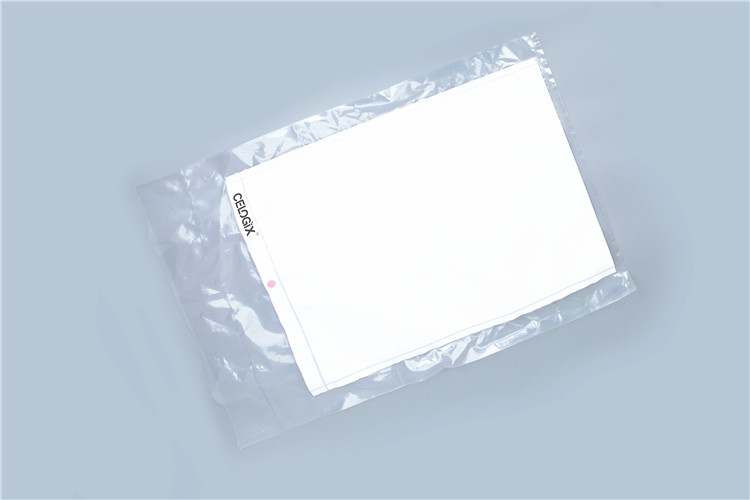
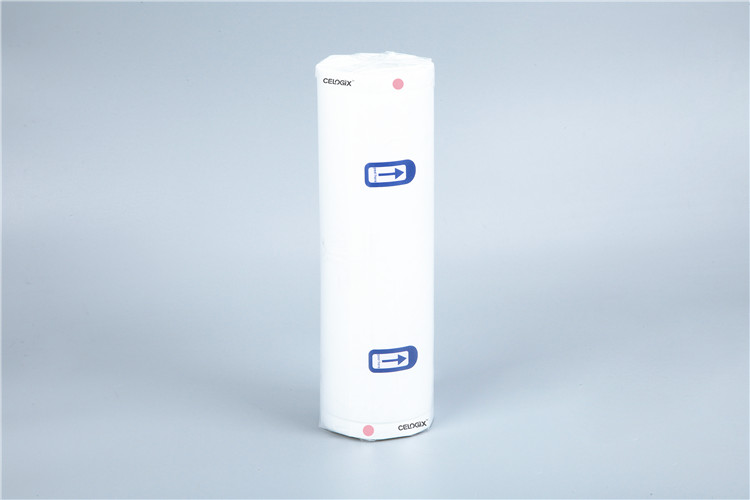
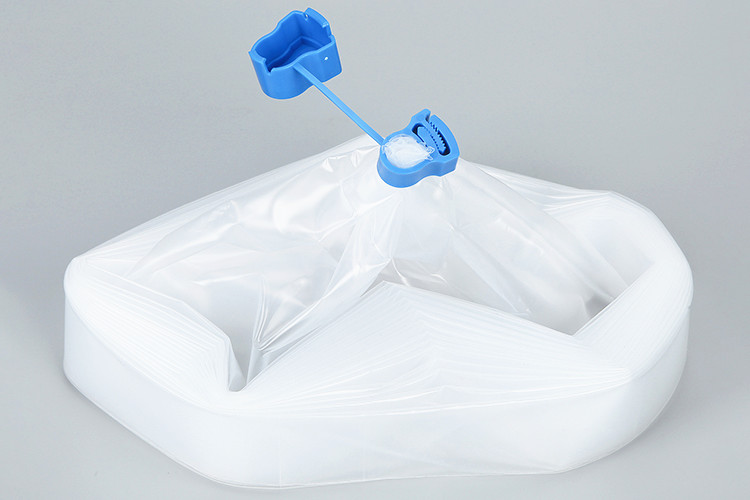
Sterile sample bags are critical for sample collection, storage and transportation in scientific research, medical testing, food safety and environmental monitoring. This Q&A guide addresses key questions about their selection, specification matching, standard operation and troubleshooting, providing practical references for practitioners.
Q1: What is the primary prerequisite for selecting sterile sample bags?
A: Compliance and sterility certification are the top priorities. Qualified products must meet international and national standards such as ISO 11133 (sterility test standards) and local regulations for medical devices or laboratory consumables. For medical and biological samples, bags should obtain Class II medical device certification (if applicable) with clear markings of registration certificate number, production batch number and expiration date on the outer packaging. They must undergo rigorous sterilization (ethylene oxide or gamma-ray sterilization), with sterilization method, date and validity period indicated. Opt for products labeled ""sterile guaranteed"" that pass third-party inspection, ensuring zero bacterial colonies and no harmful residues (e.g., ethylene oxide residues).
Q2: How to select bag materials based on sample types?
A: Material selection depends on sample compatibility to avoid deterioration, component loss or chemical reactions. Common materials and their applications are as follows:
- Polyethylene (PE): Good chemical stability and low cost, suitable for non-corrosive samples (urine, saliva, food homogenates, environmental water). Not resistant to organic solvents (ethanol, acetone) or strong acids/alkalis.
- Polypropylene (PP): Higher temperature resistance (-20℃ to 121℃) and better chemical resistance than PE, suitable for high-temperature sterilized samples (autoclaving) and those with weak organic solvents. Widely used for biological tissues and microbial cultures.
- Fluoropolymers (e.g., PTFE): Excellent chemical inertness, resistant to strong acids, alkalis and organic solvents, suitable for corrosive reagents and high-purity analytical samples. High cost limits conventional use.
Additional tips: Choose opaque/brown light-shielding bags for photosensitive samples (vitamins, enzymes); select low-temperature resistant materials (-80℃ tolerance) for cryopreserved biological samples.
Q3: What specification parameters need to be considered for scenario matching?
A: Key parameters include volume, dimensions, thickness and special designs:
- Volume & Dimensions: 10-50mL (micro-samples like blood, cerebrospinal fluid); 100-500mL (conventional samples like urine, food); 1000-5000mL (bulk samples like industrial wastewater). Flat-bottomed bags offer stability, while gusseted stand-up bags suit on-site collection.
- Thickness: 0.08-0.2mm. Use ≥0.15mm thick bags for solid samples or those requiring repeated handling (anti-puncture); 0.08-0.12mm thin bags for fluid liquids (cost-saving with no leakage).
- Special Designs: Write-on panels for easy labeling; pre-sterilized sampling ports for contamination-free secondary sampling; double-layer bags for high-risk samples (infectious materials) with absorbent pads for leakage protection.
Q4: How to evaluate the sealing performance of sterile sample bags?
A: Reliable sealing prevents leakage and contamination. Common methods:
- Zip-lock: Easy to operate, suitable for temporary storage of non-high-risk samples. Poor tightness, not for long-distance transportation.
- Heat-seal: Requires a heat sealer (180-200℃, 2-3 seconds) for tight sealing. Strong leak-proof ability, ideal for high-risk samples and long-term storage/transportation (sealing width ≥5mm).
- Twist-lock: For small-volume samples, reusable after re-sterilization. Check sealing tightness before use.
II. Standard Operation of Sterile Sample Bags
Q5: What preparations are needed before using sterile sample bags?
A: Three key steps:
- Inspect outer packaging: Do not use if damaged, damp or expired (sterility cannot be guaranteed).
- Prepare a sterile environment: Operate in a biosafety cabinet/ultra-clean workbench, disinfect surfaces with 75% ethanol, and wear sterile gloves, masks and work clothes to avoid human-derived contamination.
- Pre-check bags: After unpacking, check for cracks/holes on the bag body and seal. Test zip-lock flexibility; ensure heat-seal surfaces are clean and free of impurities.
Q6: What are the norms for sample collection and bagging?
A: Follow these rules to avoid contamination and leakage:
- Control volume: Do not exceed 70% of the bag’s capacity to leave space for freezing expansion and prevent sealing leakage. Transfer liquid samples slowly (pipette/pouring) to avoid splashing on the bag mouth.
- Protect the sealing area: Prevent sample contact with the inner sealing edge. If contaminated, wipe with 75% ethanol-soaked sterile cotton swabs and dry before sealing.
- Handle special samples: Use double-layer bags for infectious materials (inner bag for samples, outer bag for protection + absorbent pads); wrap sharp-edged solid samples (bone tissue) with sterile gauze to avoid puncturing.
Q7: How to standardize sealing and marking operations?
A: Sealing and marking ensure sample traceability and integrity:
- Sealing: For zip-lock bags, press the zipper from one end to the other and check for air leakage. For heat-seal bags, adjust the sealer parameters, flatten the sealing edge and squeeze gently to test for leakage after sealing.
- Marking: Immediately label with a waterproof marker after sealing, including sample name, collection date/time, collector, source (patient ID/sampling location), storage conditions and other key information (avoid ink fading/smudging).
Q8: What are the storage and transportation requirements for sealed sample bags?
A: Match conditions to sample characteristics:
- Storage: Store at specified temperatures (-20℃/-80℃ for cryopreservation; clean, dry, light-shielded environment for room-temperature samples). Avoid stacking heavy objects on bags to prevent rupture; keep away from direct sunlight and chemicals.
- Transportation: Use insulated containers/transport boxes with ice packs/dry ice to maintain temperature stability. For high-risk samples, comply with dangerous goods transportation regulations, attach ""biohazard"" labels and ensure the container is sealed and shockproof.
Q9: How to dispose of used sterile sample bags?
A: Dispose in accordance with biosafety and environmental regulations. Soak bags with infectious/toxic/corrosive samples in disinfectant (84 disinfectant, peracetic acid) for sterilization, seal in medical waste bags and hand over to professional agencies for centralized treatment. Do not discard as ordinary garbage.
III. Troubleshooting
Q10: What causes leakage during storage/transportation and how to solve it?
A: Common causes include incomplete sealing (unclosed zipper, insufficient heat-seal temperature) or bag puncture. Solution: Replace with a new bag, re-collect the sample, use reliable sealing methods (heat-seal for high-risk samples) and add protective layers for solid samples to prevent puncture.
Q11: Why does sample contamination occur and how to avoid it?
A: Main causes: damaged bag packaging, non-sterile operation environment, or contaminated sealing area. Prevention: Strictly inspect packaging before use, operate in a sterile environment, avoid sample contact with the sealing area. Discard and re-collect if contamination is suspected.
Q12: What leads to bag rupture at low temperatures and how to prevent it?
A: Reasons: non-low-temperature resistant materials or overfilled samples. Prevention: Select low-temperature resistant materials (e.g., PP) and control sample volume to ≤70% of the bag’s capacity for expansion space.
IV. Summary
Scientific selection and standardized operation of sterile sample bags are critical for maintaining sample integrity, preventing cross-contamination and ensuring accurate test results. Select compliant products matching sample types and scenarios, and adhere to operating norms throughout the entire process. With continuous upgrades in materials and design, practitioners should keep updated on product and standard changes to optimize workflows.