Clean Room Protective Clothing: Key Features, Applications and Usage Norms
Release time:2026-08-28
Visits:389
1. Introduction
Clean room protective clothing (CRPC) is a specialized garment designed to prevent contamination between the wearer and the clean environment, widely used in industries requiring strict sterility and dust control. It effectively blocks particles, microorganisms and human dander, ensuring the integrity of products and experimental results in high-purity scenarios.
2. Material and Structure
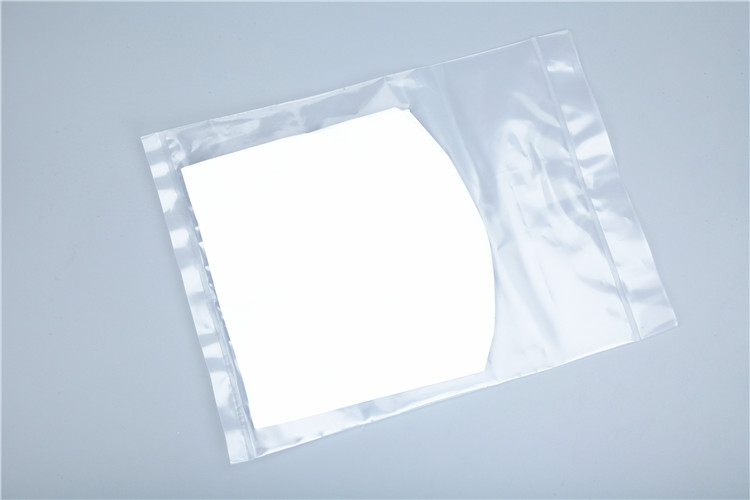
CRPC is typically made of non-woven fabrics (such as PP, SMS, and PTFE), featuring dust-proof, water-resistant, and breathable properties. The full-body design (including hood, gloves, and shoe covers) minimizes exposed skin, with sealed cuffs, zippers and necklines to prevent particle leakage. It is produced in cleanrooms and pre-sterilized for immediate use in sterile environments.
3. Key Features
- Contamination Control: Blocks human-derived particles and microorganisms, meeting clean room class requirements (ISO 5 to ISO 8).
- Comfort and Breathability: Lightweight and breathable materials reduce wearer fatigue during long-term use.
- Sterility: Pre-sterilized by gamma irradiation, compatible with sterile environments like biopharmaceutical workshops.
- Durability: Tear-resistant and anti-static, adapting to harsh industrial and laboratory conditions.
4. Common Applications
- Biopharmaceuticals: Used in drug production and cell culture to avoid product contamination.
- Medical and Healthcare: Applied in operating rooms, laboratories and sterile wards to protect patients and samples.
- Electronics Industry: Preventing dust from damaging precision electronic components during manufacturing.
- Food Processing: Ensuring food safety by avoiding cross-contamination during production.
5. Usage Norms and Precautions
Wear CRPC in designated clean areas only; check for damage before use. Put on in the correct order (hood → garment → gloves → shoe covers) and ensure all seals are tight. Avoid touching non-sterile surfaces during use; remove and discard properly after use. Store in a clean, dry place away from dust and moisture.
6. Conclusion
Clean room protective clothing is a critical barrier for contamination control in high-purity industries. Its specialized design and material properties ensure sterility and safety, making it indispensable in biopharmaceuticals, electronics, and healthcare. Following usage norms maximizes its protective effect.