1. Introduction
In environmental protection, industrial safety, and scientific research, the accurate analysis of air and gas components is critical for assessing air quality, detecting pollutants, ensuring workplace safety, and supporting research findings. Unlike ordinary sample bottles, air sampling bottles are specifically designed to address the unique challenges of collecting gaseous and airborne samples—such as preventing air leakage, avoiding chemical reactions between the sample and the container, and preserving the original concentration of trace components. From monitoring ambient air for PM2.5 and volatile organic compounds (VOCs) to collecting industrial exhaust for emission compliance testing, air sampling bottles play an irreplaceable role in ensuring that air samples remain unaltered from collection to analysis. With the growing global emphasis on environmental protection and occupational health, the demand for high-precision air sampling bottles continues to rise, driven by advancements in material science and stricter regulatory standards.
2. Structure and Working Principle
2.1 Core Components
- Bottle Body: The main container, typically made of high-purity glass (borosilicate glass) or specialized inert plastics (PTFE, PP, PE), selected for their chemical inertness and ability to resist reactions with gaseous components. Some models feature inert coatings (e.g., Silonite™) on the inner surface to further reduce sample adsorption and ensure component recovery. The bottle body is often transparent or brown (for light-sensitive gas samples) and designed to withstand pressure changes during sampling and transportation.
- Air-Tight Closure System: A critical component featuring screw-on caps with inert gaskets (PTFE, silicone) or septum seals, engineered to create a leak-proof, airtight seal. Septum caps are particularly useful for samples requiring repeated access (e.g., for injection analysis) without breaking the seal, while specialized valves (e.g., Micro-QT™ valves) ensure minimal contamination and high gas tightness, comparable to stainless-steel canisters.
- Volume Markings: Clear, calibrated graduations (in milliliters or liters) on the bottle body to ensure accurate sample volume measurement, critical for quantitative analysis of gas concentrations. Some models are pre-evacuated to a specific vacuum level to facilitate efficient air sampling and ensure consistent sample volume.
- Sampling Port/Connector: A dedicated port or connector (compatible with sampling pumps, tubing, or pre-concentrators) to facilitate controlled air collection. For absorption-based sampling, the bottle may include a porous glass plate to increase gas-liquid contact area and improve absorption efficiency.
- Specialized Additives/Adsorbents (Optional): Some air sampling bottles are pre-loaded with absorbents (e.g., silica gel for moisture removal), absorbent liquids (e.g., formaldehyde buffer solution for SO₂, dilute sulfuric acid for NH₃), or stabilizers to preserve volatile or reactive gas components during storage. For H₂S sampling, specialized bottles may contain silica gel to dehydrate the sample and extend holding time.
2.2 Working Principle
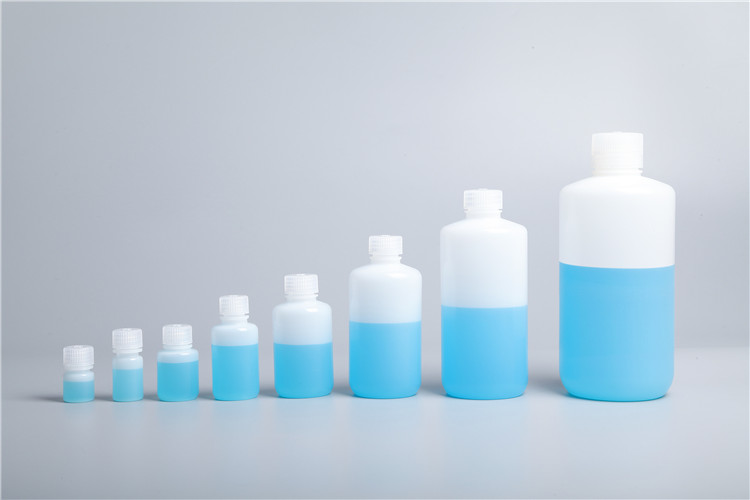
Air sampling bottles operate based on two primary principles: vacuum sampling and absorption sampling. In vacuum sampling, the bottle is pre-evacuated to a specific pressure, and when the valve or septum is opened, ambient air or gas is drawn into the bottle by the pressure difference, filling it completely. This method is ideal for collecting whole air samples and ensuring the original concentration of gas components is preserved, making it compliant with EPA TO-15 standards. In absorption sampling, the bottle contains a specialized absorbent liquid or adsorbent material; air is pumped through the liquid or over the adsorbent, where target gas pollutants (e.g., SO₂, NOₓ, H₂S) are dissolved or adsorbed, separating them from non-target components. The airtight closure system prevents external air from entering and internal sample from leaking, ensuring the sample’s integrity until analysis. For precise analysis, some bottles can be connected to pre-concentrators for low PPB-level detection or automatic injectors for high-throughput analysis.
3. Classification and Key Features
3.1 Classification
- By Material: Glass air sampling bottles (borosilicate glass, chemically inert, heat-resistant, suitable for organic gases and high-temperature sterilization) and plastic air sampling bottles (PTFE, PP, PE, lightweight, shatter-resistant, cost-effective, ideal for aqueous absorbent-based sampling and field use). Glass bottles may also feature inert coatings to enhance component recovery.
- By Sampling Method: Vacuum air sampling bottles (pre-evacuated, for whole air sampling of VOCs, inert gases, and trace pollutants) and absorption air sampling bottles (equipped with absorbents/absorbent liquids, for collecting soluble or reactive gases such as SO₂, NOₓ, and NH₃).
- By Capacity: Small-capacity (10–100 mL, for micro-samples and trace gas analysis), medium-capacity (100 mL–1 L, for routine environmental and laboratory sampling), and large-capacity (1–5 L, for industrial exhaust and bulk air sampling). Common capacities include 250 mL, 500 mL, and 1 L for standard applications.
- By Sterility/Inertness: Inert air sampling bottles (chemically inert materials or coatings, for trace gas and VOC sampling to prevent component adsorption) and sterile air sampling bottles (pre-sterilized, for collecting air samples containing microorganisms, such as indoor air for microbial testing).
3.2 Core Features
- Ultra-Airtight Seal: The closure system (valves, gaskets, septa) ensures zero leakage, preventing external air from diluting the sample and internal gas from escaping, which is critical for preserving the original concentration of trace components. This airtightness is comparable to stainless-steel canisters, making them a cost-effective alternative for whole air sampling.
- Chemically Inert: Materials and coatings are inert to most gases and pollutants, avoiding chemical reactions that could alter the sample composition or cause component adsorption. This ensures high recovery rates for a wide range of analytes, including volatile and semi-volatile compounds.
- Precise Volume Control: Calibrated volume markings and pre-evacuation (for vacuum models) ensure accurate sample volume, which is essential for quantitative analysis of gas concentrations and compliance with regulatory standards.
- Specialized for Air/Gas Samples: Designed to handle the unique properties of gaseous samples, including pressure changes, volatility, and reactivity. Porous glass plates (for absorption models) and moisture-control additives (for H₂S sampling) enhance sampling efficiency and sample preservation.
- User-Friendly and Versatile: Lightweight design, easy-to-operate closures, and compatible connectors simplify field and laboratory sampling. They can be used with sampling pumps, pre-concentrators, and automatic injectors, adapting to diverse sampling scenarios.
4. Proper Usage and Maintenance
4.1 Correct Usage Steps
- Select the appropriate air sampling bottle based on the sample type (gas composition, reactivity), sampling method (vacuum vs. absorption), and volume requirements. For light-sensitive gases (e.g., NOₓ), use brown bottles to prevent component degradation; for trace VOCs, choose inert-coated glass bottles.
- Inspect the bottle, closure, and sampling port for damage (cracks, worn gaskets, or loose valves) before use; discard any damaged containers to prevent leakage or contamination. For vacuum bottles, check the vacuum level to ensure it meets sampling requirements.
- For absorption sampling: Add the appropriate absorbent liquid to the bottle, ensuring the liquid level covers the porous glass plate (if present) by 5–10 mm. Connect the bottle to the sampling pump, following the correct order: sampling tube → absorption bottle inlet → outlet → flow meter → pump, and perform a leak test to ensure airtightness.
- For vacuum sampling: Open the valve or septum to allow air to fill the pre-evacuated bottle, then securely close the closure to maintain the seal. For whole air sampling, ensure the bottle is filled completely to avoid dilution.
- Label the bottle immediately with all necessary information (sample type, collection location, date/time, temperature/pressure, and sampling duration) to avoid misidentification and support accurate analysis.
- Store and transport the sample according to requirements: refrigerate (4℃) for volatile or reactive gases to extend holding time; avoid extreme temperatures and direct sunlight. For H₂S samples, ensure moisture control to maintain component stability for 1–2 weeks.
4.2 Maintenance and Hygiene
- Reusable Bottles: Clean thoroughly after use: rinse with deionized water, soak in dilute acid (1% HCl) for 24 hours (for absorption bottles), rinse again with deionized water, and dry in an oven with nitrogen or zero air purge. For PPB-level sampling, use a specialized cleaning system to ensure no residue remains. Sterilize (autoclaving for glass bottles) before reuse and inspect for wear or damage.
- Disposable Bottles: Discard after single use to prevent cross-contamination. Do not reuse disposable bottles, as they may retain residues or lose airtightness after use.
- Store air sampling bottles in a clean, dry, dust-free environment, away from direct sunlight and corrosive gases, to prevent material degradation and contamination. Pre-evacuated bottles should be stored in a sealed container to maintain vacuum pressure.
- Check the expiration date of pre-sterilized, pre-evacuated, or pre-loaded additive bottles; do not use expired containers, as their airtightness, sterility, or additive effectiveness may be compromised.
5. Applications Across Industries
Air sampling bottles are widely used across multiple industries, each with specialized requirements:
- Environmental Monitoring: Collecting ambient air, indoor air, and groundwater vapor samples to detect pollutants such as VOCs, SO₂, NOₓ, PM2.5, and H₂S. They are essential for assessing air quality, complying with environmental regulations, and monitoring pollution control efforts.
- Industrial Quality Control: Sampling industrial exhaust, process gases, and workplace air to ensure compliance with emission standards and occupational safety regulations. They are used in industries such as chemicals, oil and gas, manufacturing, and mining to monitor hazardous gases and protect worker health.
- Laboratory Research: Collecting gas samples for scientific research, including atmospheric chemistry, environmental science, and material testing. They are used to study gas reactions, trace gas concentrations, and the impact of gases on materials and organisms.
- Occupational Health: Sampling indoor and workplace air to detect harmful gases (e.g., CO, formaldehyde, benzene) and ensure a safe working environment. Sterile air sampling bottles are used to collect air samples for microbial testing in healthcare facilities and cleanrooms.
6. Common Issues and Troubleshooting
- Sample Contamination: Caused by non-inert materials, improper cleaning of reusable bottles, or contaminated closures/connectors. Solution: Use inert-coated or high-purity materials for trace sampling, clean reusable bottles thoroughly with specialized methods, and replace damaged closures. For sterile sampling, use pre-sterilized bottles and avoid contact with non-sterile surfaces.
- Leakage: Resulting from loose caps, worn gaskets, damaged bottle bodies, or improper valve operation. Solution: Ensure the closure is securely tightened, inspect gaskets and valves for wear, and discard damaged bottles. Perform a leak test before sampling to confirm airtightness.
- Sample Degradation or Loss: Caused by incompatible materials (e.g., plastic bottles with organic gases), light exposure (for light-sensitive gases), or improper storage conditions. Solution: Select the correct material for the sample type, use brown bottles for light-sensitive gases, store samples at the recommended temperature, and add appropriate stabilizers/adsorbents.
- Low Absorption Efficiency: (For absorption bottles) Caused by insufficient absorbent liquid, clogged porous glass plates, or incorrect flow rate. Solution: Ensure the absorbent liquid covers the porous glass plate, clean or replace clogged plates, and adjust the sampling flow rate (0.5–1.5 L/min for gases, ≤0.5 L/min for gases).
- Backflow: Caused by incorrect shutdown order (turning off the pump after disconnecting the bottle). Solution: Turn off the pump first, then disconnect the bottle from the sampling system to prevent absorbent liquid from entering the pump or tubing. If backflow occurs, clean the gas path with and replace contaminated components.
7. Development Trends
The global air sampling bottle market is evolving to meet the growing demand for precision, safety, and sustainability in environmental and industrial monitoring. Key trends include the development of eco-friendly materials (biodegradable plastics, recycled glass) to reduce environmental impact, aligning with global sustainability goals. Innovations in inert coatings and valve designs are improving sample recovery rates, especially for trace gases and semi-volatile compounds. The integration of smart technologies, such as RFID tags for sample tracking and sensors for real-time monitoring of temperature and pressure, is enhancing sample management and data accuracy. Additionally, specialized designs for emerging applications—such as low-PPB level H₂S sampling and COVID-19 aerosol sampling—are expanding the utility of air sampling bottles. There is also a growing focus on user safety and convenience, with ergonomic closures and pre-loaded absorbents to simplify sampling and reduce human error.
8. Conclusion
Air sampling bottles are specialized and indispensable tools for the accurate collection, storage, and transportation of air and gas samples across environmental, industrial, and research sectors. Their ultra-airtight design, chemical inertness, and specialized features ensure that gas samples remain unaltered, supporting reliable analysis and compliance with regulatory standards. From monitoring ambient air quality to ensuring workplace safety and advancing scientific research, air sampling bottles play a critical role in safeguarding human health and the environment. As industries continue to demand higher precision and sustainability, ongoing innovations in material science, design, and technology will further enhance the functionality and utility of air sampling bottles, supporting advancements in environmental protection and industrial safety worldwide.