Biological Storage Bags: Core Features, Applications and Safe Usage
Release time:2026-08-28
Visits:477
1. Introduction
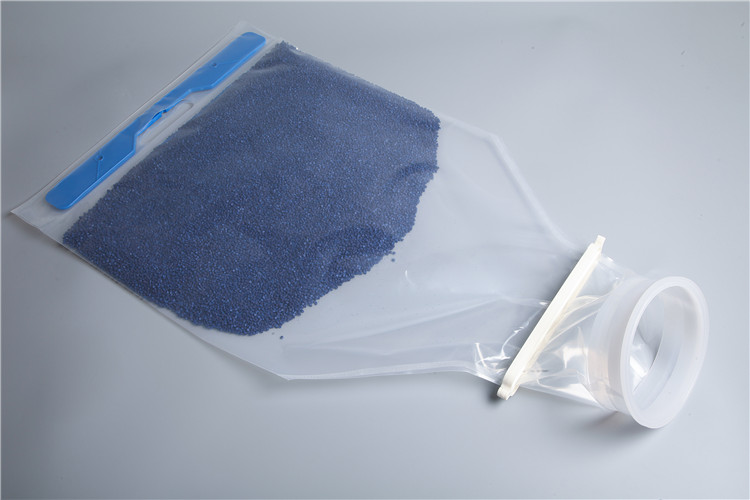
Biological storage bags are specialized, sterile containers designed for the safe storage, transfer and preservation of biological materials, widely used in biopharmaceuticals, laboratory research, and clinical care. Made of high-performance composite membranes, they effectively maintain the activity and sterility of samples such as cell cultures, vaccines, blood products and biological reagents, serving as indispensable tools in modern biological technology.
2. Structure and Material Characteristics
Most
biological storage bags adopt a multi-layer co-extruded membrane structure, commonly composed of EVA, EVOH and other food-grade, biocompatible materials. The inner layer is non-toxic and inert, ensuring no adverse reactions with biological materials; the middle layer acts as a barrier to prevent gas and moisture penetration; the outer layer is wear-resistant and puncture-proof to avoid leakage. Produced in ISO 7 cleanrooms complying with GMP standards, they are pre-sterilized by gamma irradiation, ready for immediate use.
Available in various specifications (1L to 3000L), they feature sterile quick-connect ports for easy operation, and some have translucent designs for convenient content inspection.
3. Key Advantages
- Sterile and Safe: Pre-sterilized and single-use (in most cases), eliminating cross-contamination risks, which is more reliable than traditional reusable containers.
- Excellent Compatibility: Biocompatible materials meet USP Class Ⅵ and ISO 10993 standards, suitable for various sensitive biological samples.
- Wide Temperature Adaptability: Tolerating low temperatures down to -80℃ for long-term storage and high temperatures up to 121℃ for sterilization, adapting to diverse application scenarios.
- Convenient and Efficient: Lightweight, flexible, and easy to store and transport; customizable ports and sizes meet specific process needs.
4. Common Applications
- Biopharmaceutical Manufacturing: Storing cell culture media, vaccines, and drug stock solutions; facilitating cell expansion in bioprocessing.
- Laboratory Research: Preserving cell lines, biological reagents, and test samples; ensuring sample integrity for accurate experimental results.
- Clinical Care: Storing and transporting blood products, tissue samples, and diagnostic specimens, with clear labeling for safe handling.
- Waste Disposal: Collecting biological waste for high-pressure sterilization and safe disposal, reducing environmental hazards.
5. Safe Usage and Precautions
Check for leaks or packaging damage before use; avoid overfilling (control within 70% capacity) to prevent bursting during sterilization. Do not seal the bag tightly during high-pressure sterilization to ensure steam circulation. Store in a cool, dry place away from direct sunlight; keep away from sharp objects to avoid puncture. Dispose of single-use bags properly after use in accordance with biological waste regulations.
6. Conclusion
Biological storage bags are efficient, safe and versatile tools for biological material management. Their excellent material performance, sterile design and wide adaptability make them critical in biopharmaceuticals, research and clinical fields. Following safe usage guidelines ensures the integrity of biological samples and the safety of operations.