Disposable Medical Ice Bags: A Practical Guide to Usage and Advantages
Release time:2026-08-28
Visits:508
1. Introduction
Disposable medical ice bags are essential, convenient medical devices widely used in clinical care, first aid, and home health management. Unlike reusable ice packs, they require no pre-freezing, can be activated instantly, and are discarded after single use, ensuring hygiene and avoiding cross-contamination. Designed to deliver targeted cold therapy, they play a crucial role in relieving pain, reducing swelling, and aiding recovery from injuries, surgeries, or acute medical conditions.
2. Working Principle and Structure
The core of a
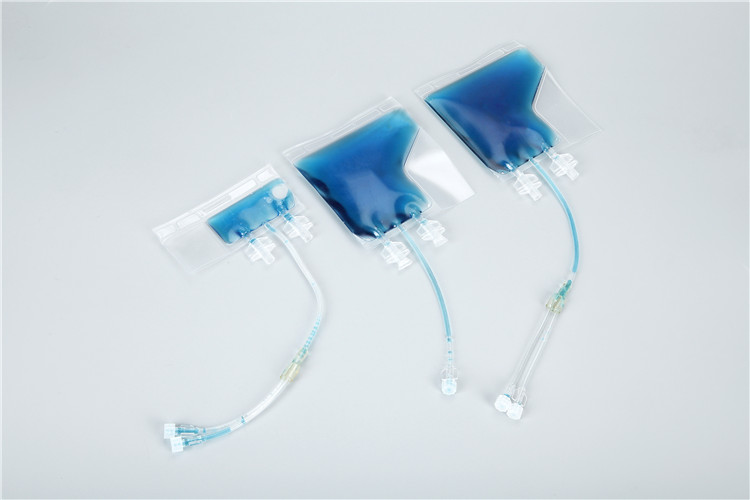
disposable medical ice bag lies in its dual-chamber design, which enables instant cooling without refrigeration. The inner chamber contains a chemical refrigerant (typically ammonium nitrate, urea, or calcium ammonium nitrate), while the outer chamber holds water. When activated—by squeezing the bag to break the inner chamber—the refrigerant dissolves in water, triggering an endothermic reaction that rapidly lowers the bag’s temperature to 0–10℃, maintaining cold therapy for 20–40 minutes, depending on the product size and environment.
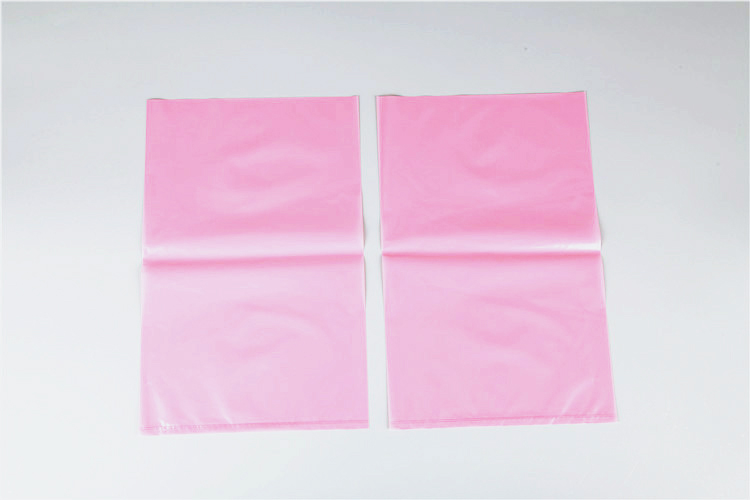
Most disposable medical ice bags are made of food-grade, leak-proof PE or PP material, with a soft, flexible surface to fit body contours (e.g., joints, limbs, forehead). Some models add a non-woven cover to prevent direct contact with the skin, avoiding frostbite and enhancing comfort.
3. Key Advantages
- Instant Activation: No pre-freezing required—squeeze to activate, making it ideal for emergency situations (e.g., sports injuries, accidental falls) and on-the-go use.
- Hygienic and Safe: Single-use design eliminates the need for cleaning and sterilization, reducing the risk of cross-contamination, especially in clinical settings like hospitals and clinics.
- Portable and Lightweight: Compact and lightweight when unactivated, easy to store in first-aid kits, medical bags, or homes without occupying much space.
- Targeted Cold Therapy: Flexible design conforms to different body parts, ensuring uniform cold distribution and effective relief of pain, swelling, and inflammation.
- Cost-Effective: Affordable and readily available, suitable for both clinical and home use without the long-term maintenance costs of reusable ice packs.
4. Common Applications
- First Aid: Relieving swelling and pain from sprains, strains, bruises, and minor burns; reducing fever by applying to the forehead.
- Clinical Care: Post-surgical recovery (e.g., orthopedic, cosmetic, or dental surgeries) to reduce edema and discomfort; managing acute conditions like gout or arthritis flare-ups.
- Home Health: Alleviating muscle soreness from exercise, relieving menstrual cramps, or cooling down during heatstroke.
- Veterinary Care: Providing cold therapy for pets with injuries or post-surgical recovery, with pet-specific sizes available.
5. Proper Usage and Precautions
5.1 Usage Steps
1. Check the bag for leaks or damage before use; do not use if the packaging is torn.
2. Squeeze the center of the bag firmly to break the inner refrigerant chamber, then shake gently to mix the refrigerant and water.
3. Wait 1–2 minutes for the bag to cool down to the desired temperature.
4. Wrap the bag with a towel or use the built-in cover (if available) to avoid direct skin contact; apply to the target area for 15–20 minutes per session.
5. Discard the bag properly after use; do not reuse or puncture it.
5.2 Precautions
- Do not apply directly to the skin for more than 20 minutes to prevent frostbite or skin damage.
- Keep away from children to avoid accidental ingestion of the refrigerant (non-toxic but irritating to the digestive tract).
- Do not use on open wounds, broken skin, or areas with poor blood circulation (e.g., diabetic feet).
- Store in a cool, dry place; avoid high temperatures or direct sunlight, which may cause premature activation.
6. Conclusion
Disposable medical ice bags are a practical, hygienic, and cost-effective solution for cold therapy, widely used in first aid, clinical care, and home health. Their instant activation, portability, and single-use design make them indispensable for relieving pain, reducing swelling, and supporting recovery. By following proper usage guidelines, users can safely and effectively leverage their benefits for various medical and daily needs.