Disposable Storage Bags: Core Features, Applications and Usage Tips
Release time:2026-08-28
Visits:426
1. Introduction
Disposable storage bags are specialized sterile containers designed for storing and transferring liquids (e.g., reagents, media, medical fluids) in sterile or clean environments. Lightweight, cost-effective, and single-use, they effectively maintain fluid integrity and prevent cross-contamination, widely used in medical, biopharmaceutical, and laboratory scenarios.
2. Material and Structure
Made of food-grade, biocompatible materials (PE, PP, or EVA),
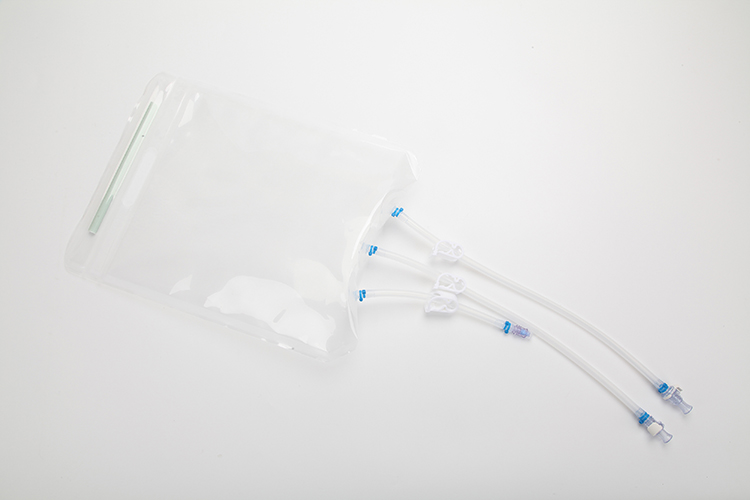
disposable storage bags feature leak-proof, moisture-proof, and chemical-resistant properties. They come in various sizes, with sealed closures (self-sealing or heat-sealing) and transparent designs for easy content inspection without opening.
3. Key Features
- Sterile & Hygienic: Pre-sterilized, single-use design eliminates cross-contamination risks, safer than reusable containers.
- Leak-Proof & Durable: Secure closures and thickened material prevent fluid leakage during storage and transport.
- Flexible & Convenient: Lightweight, space-saving, and available in multiple sizes to fit different liquid volumes.
- Transparent & Practical: Translucent material allows quick visual check of fluid level and clarity.
4. Common Applications
- Medical Care: Storing clinical reagents, blood samples, and sterile fluids in hospitals and clinics.
- Biopharmaceuticals: Holding cell culture media, drug solutions, and buffer fluids during production.
- Laboratories: Storing experimental reagents, samples, and solvents to ensure test accuracy.
- Industrial Use: Packaging small-volume industrial liquids, avoiding contamination in clean workshops.
5. Usage Tips and Precautions
Check for packaging damage before use; fill fluid within the marked capacity to avoid leakage. Seal tightly after filling, store in a cool, dry place away from sunlight and sharp objects. Dispose of properly after use according to waste regulations.
6. Conclusion
Disposable storage bags are practical, sterile tools for liquid storage and transfer. Their simple design, safety, and convenience make them indispensable in medical, biopharmaceutical, and laboratory fields, ensuring fluid safety and operational efficiency.